Airhood Induction Cooktop
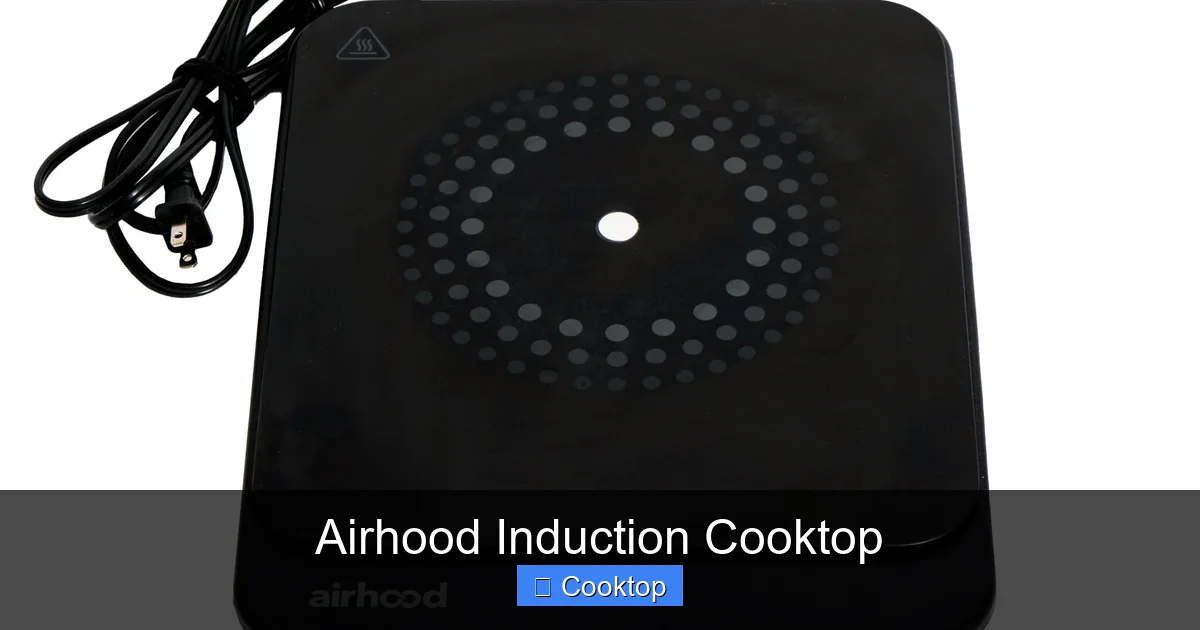
The Airhood Induction Cooktop merges powerful induction heating with an integrated airflow system, delivering smoke‑free cooking without a separate hood. Its sleek design saves space while offering precise temperature control and energy efficiency. Perfect for modern kitchens that demand both performance and style.
Key Takeaways
- Point 1: The Airhood system eliminates the need for a wall hood by pulling smoke directly to a built‑in extractor.
- Point 2: Induction heating provides instant heat and precise control, making cooking faster and safer.
- Point 3: Energy savings of up to 30 % compared to gas or electric cooktops.
- Point 4: Compatible with all standard induction‑ready cookware for effortless meal prep.
- Point 5: Simple installation fits most countertop layouts and requires only a 220 V outlet.
- Point 6: Regular filter cleaning keeps airflow optimal and maintains performance.
📑 Table of Contents
Introduction
If you love the speed and precision of induction cooking but dread the buildup of smoke and odors, the Airhood Induction Cooktop may be the solution you’ve been waiting for. This innovative appliance combines the latest induction technology with a built‑in airflow system that captures and filters kitchen fumes at the source. In this article, we’ll explore what makes the Airhood unique, how it benefits your cooking routine, and what you need to know about installation, maintenance, and everyday use.
Modern homeowners are constantly looking for ways to streamline their kitchens. The Airhood Induction Cooktop delivers a clean, modern aesthetic while addressing common pain points like limited counter space and the visual bulk of a traditional range hood. Whether you’re an everyday home cook, a busy family chef, or someone who enjoys experimenting with new recipes, this cooktop aims to make your kitchen a more pleasant, efficient workspace.
What Is Airhood Induction Cooktop?
Design Overview
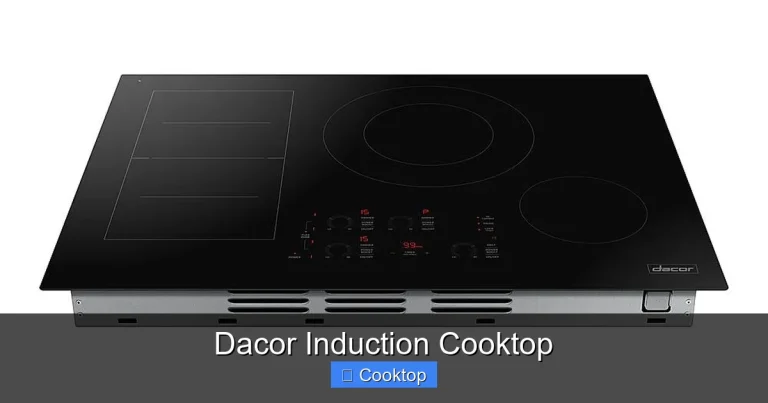
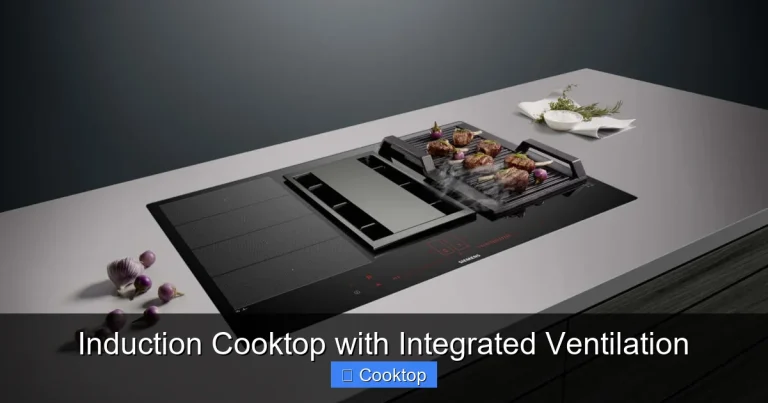
The Airhood Induction Cooktop is a freestanding or drop‑in unit that features a smooth glass‑ceramic surface. Underneath, induction coils generate a magnetic field that heats compatible pots and pans directly, without a flame or resistive element. What sets it apart is the integrated air circulation system that draws cooking fumes through a charcoal or HEPA filter, releasing clean air back into the kitchen.
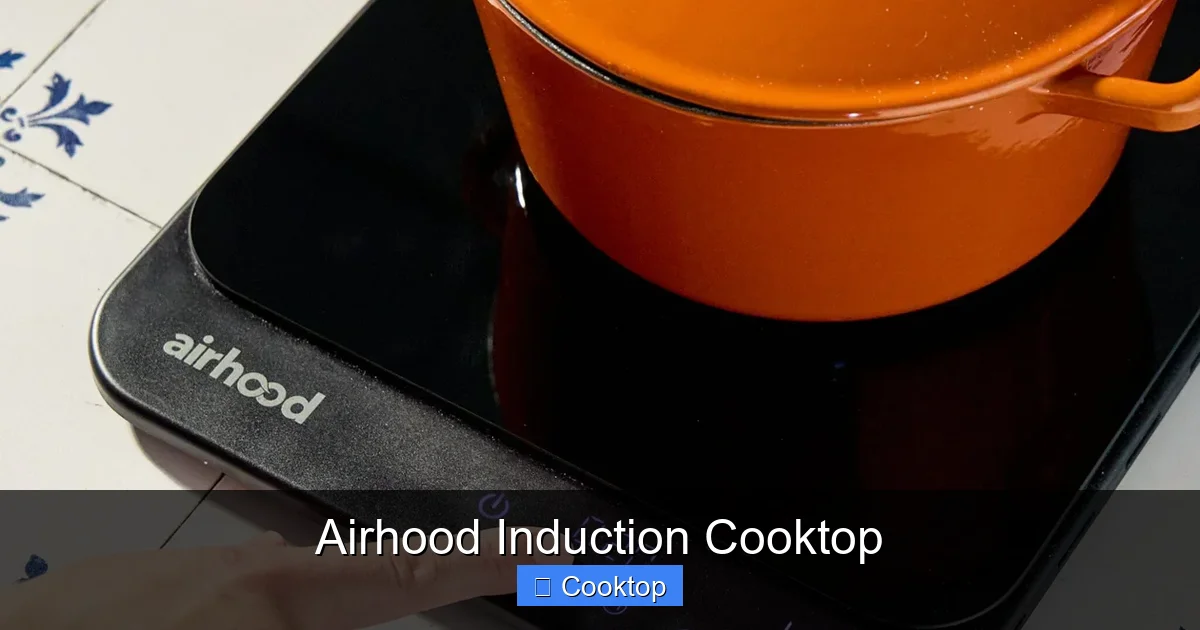
Visual guide about Airhood Induction Cooktop
Image source: store.177milkstreet.com
Key Features
Key features include a digital touch control panel, multiple preset cooking modes, and a built‑in LED display that shows current temperature and remaining time. The unit also offers a “Turbo” mode for rapid boiling and a “Keep Warm” function that maintains a steady low temperature without overheating. All controls are intuitive, and the surface remains cool to the touch, reducing burn risks.
Benefits of the Airhood System
Smoke‑Free Cooking
One of the biggest advantages of the Airhood Induction Cooktop is its ability to eliminate smoke and odors. The system pulls air from the cooking zone through a series of filters, trapping grease and microscopic particles before releasing fresh air back into the room. This means you can sauté onions or fry chicken without filling the house with lingering smells. For those who love cooking with oil but hate the mess, the Airhood’s integrated extractor captures the smoke at its source, keeping your kitchen cleaner.
Visual guide about Airhood Induction Cooktop
Image source: store.177milkstreet.com
Energy Efficiency
Induction heating is inherently more efficient than gas or electric resistance heating. Up to 90 % of the electricity used is transferred directly to the cookware, while conventional methods waste energy as ambient heat. The Airhood system adds only a minimal power draw for its fan and controls, resulting in overall energy savings of roughly 30 % compared to a standard gas range. Lower utility bills and a smaller carbon footprint are nice bonuses for any eco‑conscious household.
Space Saving
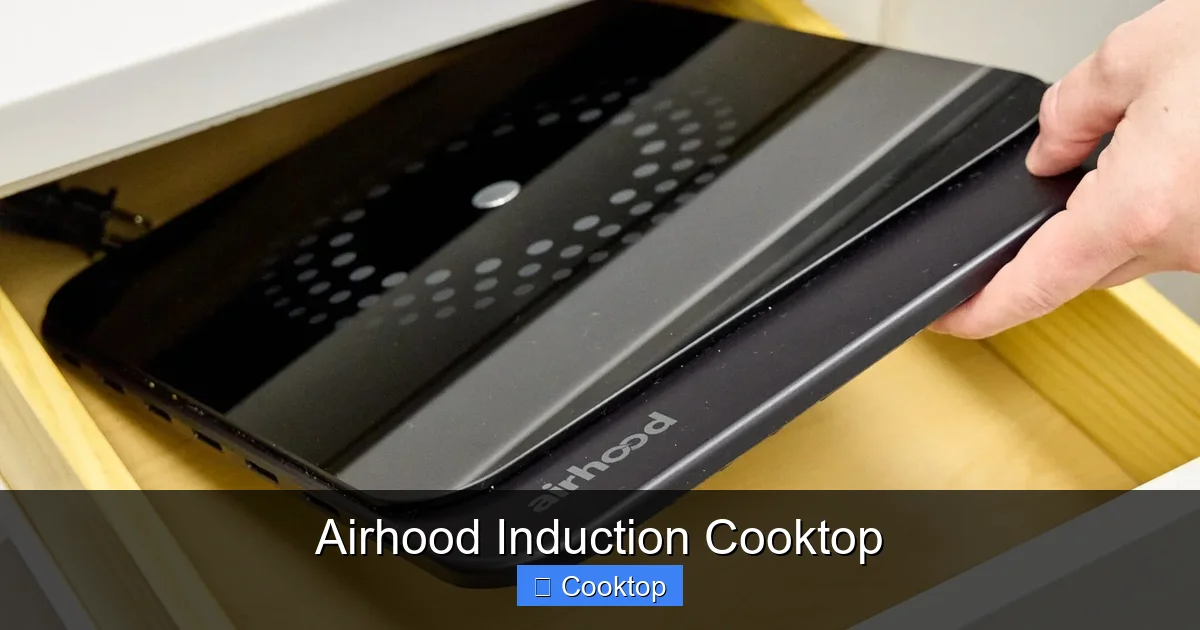
Traditional range hoods can dominate a kitchen’s visual space and require extensive venting to the outside. The Airhood Induction Cooktop removes that need, allowing you to free up cabinet space and even re‑arrange your kitchen layout with greater flexibility. Because it operates without external venting, you can place it on a countertop, in a mobile kitchen island, or even in a smaller apartment where a wall‑mounted hood would be impractical.
How It Works
Induction Technology
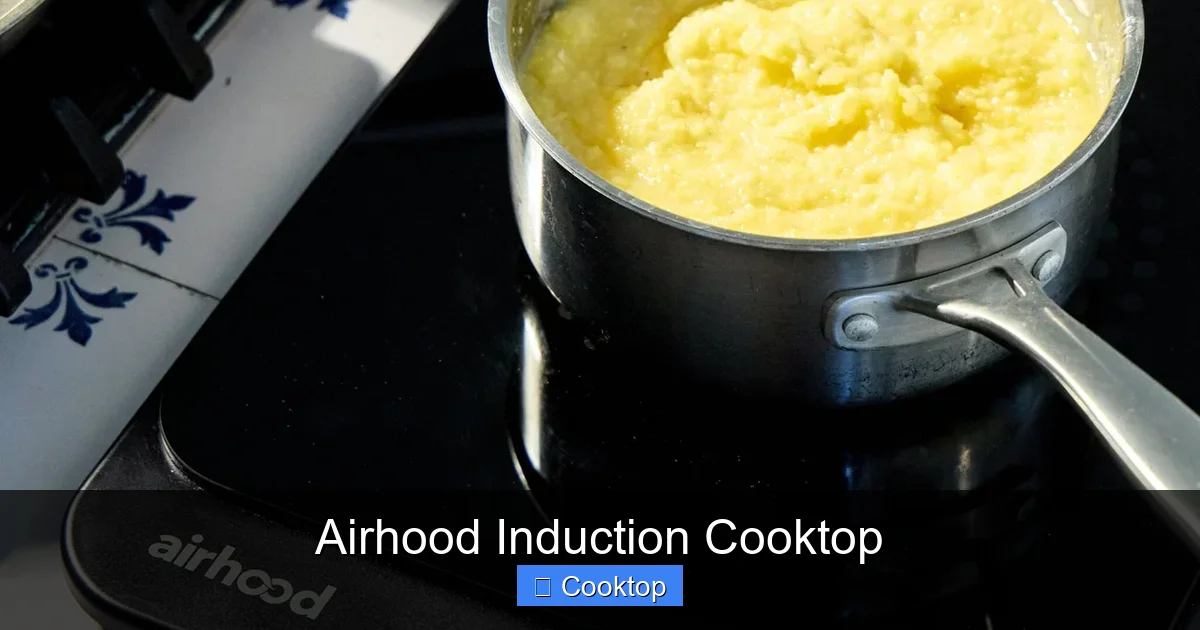
When you turn on a burner, the induction coil creates a high‑frequency magnetic field. The field interacts with ferromagnetic molecules in the bottom of your pan, causing them to vibrate rapidly and generate heat. The pan heats up, but the surrounding surface remains cool. This method allows for precise temperature adjustments, making it easy to go from a simmer to a rapid boil in just a few clicks.
Visual guide about Airhood Induction Cooktop
Image source: store.177milkstreet.com
Airflow Mechanism
Simultaneous with induction heating, a low‑profile fan draws air through the cooktop’s grating and into the filter chamber. The air passes through a pre‑filter that catches large particles, then through an activated charcoal filter that neutralizes odors, and finally through a HEPA filter that traps fine smoke particles. The cleaned air is then expelled back into the kitchen at a gentle speed, maintaining a comfortable airflow without creating drafts.
Control Interface
The control panel includes sliders for temperature, timers, and preset cooking programs such as “Boil,” “Simmer,” “Fry,” and “Bake.” A small digital display shows the current power level, and a subtle beep confirms each selection. Some models also feature a Bluetooth link to a smartphone app, allowing remote monitoring and recipe guidance. For beginners, the “Auto‑Detect” feature automatically adjusts power based on the size and material of the cookware placed on the surface.
For step‑by‑step guidance on getting the most out of your induction cooktop, check out our detailed guide on how to use induction cooktop. It covers everything from turning on the unit for the first time to advanced cooking techniques.
Installation and Setup
Electrical Requirements
The Airhood Induction Cooktop requires a dedicated 220‑240 V, 40‑A circuit. Most modern kitchens have this capacity, but you should verify with a licensed electrician if you are installing a new circuit. The unit also includes a ground‑fault circuit interrupter (GFCI) for added safety.
Ventilation Needs
Because the system is self‑contained, you do not need to connect to an external vent. However, proper airflow around the unit is essential. Ensure at least 2 inches of clearance on the sides and 4 inches above the cooktop for the fan to operate efficiently. If you plan to install the cooktop beneath a cabinet, make sure the cabinet has a vent or opening to allow air exchange.
Placement Tips
Place the Airhood Induction Cooktop on a stable, level surface. Avoid installing it near extreme heat sources such as ovens or radiators, as this can affect temperature sensors. For optimal performance, position the unit so that the front of the fan is not blocked by walls or cabinets. Many users find that a kitchen island or peninsula provides the best airflow and accessibility.
If you need details on venting and airflow configuration, the integrated ventilation article offers comprehensive diagrams and tips for both freestanding and drop‑in installations.
Maintenance and Care
Cleaning the Surface
Because the glass‑ceramic surface never gets hot, spills are easy to wipe away. Allow the surface to cool completely before cleaning. Use a soft, non‑abrasive sponge with mild dish soap and warm water. For stubborn residue, a dedicated glass cooktop cleaner works well. Avoid harsh chemicals, steel wool, or rough scrapers that could scratch the surface.
Filter Maintenance
The charcoal and HEPA filters are the heart of the Airhood system. Depending on usage, the charcoal filter should be replaced every 3‑6 months, while the HEPA filter can last up to a year before needing a shake or replacement. Check the filter indicator light on the control panel; it will turn red when a filter needs attention. Regular filter upkeep ensures optimal airflow and odor control.
Troubleshooting
If the fan runs continuously, first verify that the filter is clean and properly seated. Next, check that the power outlet is delivering consistent voltage; a voltage fluctuation can cause erratic fan behavior. For more complex issues such as error codes on the display, consult the user manual or contact customer support. Most problems are simple to resolve with routine cleaning or a minor adjustment.
Conclusion
The Airhood Induction Cooktop stands out as a versatile, modern solution for anyone who wants the speed and precision of induction cooking without the clutter of a traditional hood. Its integrated airflow system handles smoke and odors, saving space and delivering a cleaner cooking environment. With straightforward installation, energy‑saving benefits, and easy maintenance, the Airhood model can transform a standard kitchen into a sleek, high‑performance cooking hub. Whether you’re upgrading an existing kitchen or building a new one, the Airhood Induction Cooktop is worth considering for its blend of technology, convenience, and style.
Frequently Asked Questions
What sets the Airhood Induction Cooktop apart from a regular induction cooktop?
The Airhood model adds a built‑in airflow system that captures smoke and odors, eliminating the need for a separate range hood. This integrated extractor keeps your kitchen cleaner and saves counter space.
Do I still need a wall hood or vent with the Airhood system?
No. The Airhood Induction Cooktop is designed to be self‑venting. Its internal filters handle cooking fumes, so you won’t need any additional venting to the outside.
How much electricity does the Airhood Induction Cooktop use?
Induction heating is highly efficient, converting up to 90 % of electricity directly into heat. Including the fan and controls, the unit typically draws between 1,800 W and 2,400 W, which is comparable to a small electric oven.
Can I use any induction‑compatible cookware with the Airhood?
Yes. The cooktop works with any ferromagnetic cookware, such as cast iron, enameled steel, or induction‑specific aluminum with a magnetic base. Ensure the bottom of your pan is at least 2 mm thick for optimal performance.
What maintenance is required for the Airhood’s filter system?
You should clean the pre‑filter monthly and replace the charcoal filter every 3‑6 months. The HEPA filter can last up to a year; check the indicator light to know when it needs a shake or replacement.
Is the Airhood Induction Cooktop suitable for rental kitchens?
Yes. Its freestanding design makes it easy to move, and it doesn’t require permanent venting, which is often a requirement in rental properties. Always confirm with your landlord that an induction cooktop is allowed.