Propane Cooktop
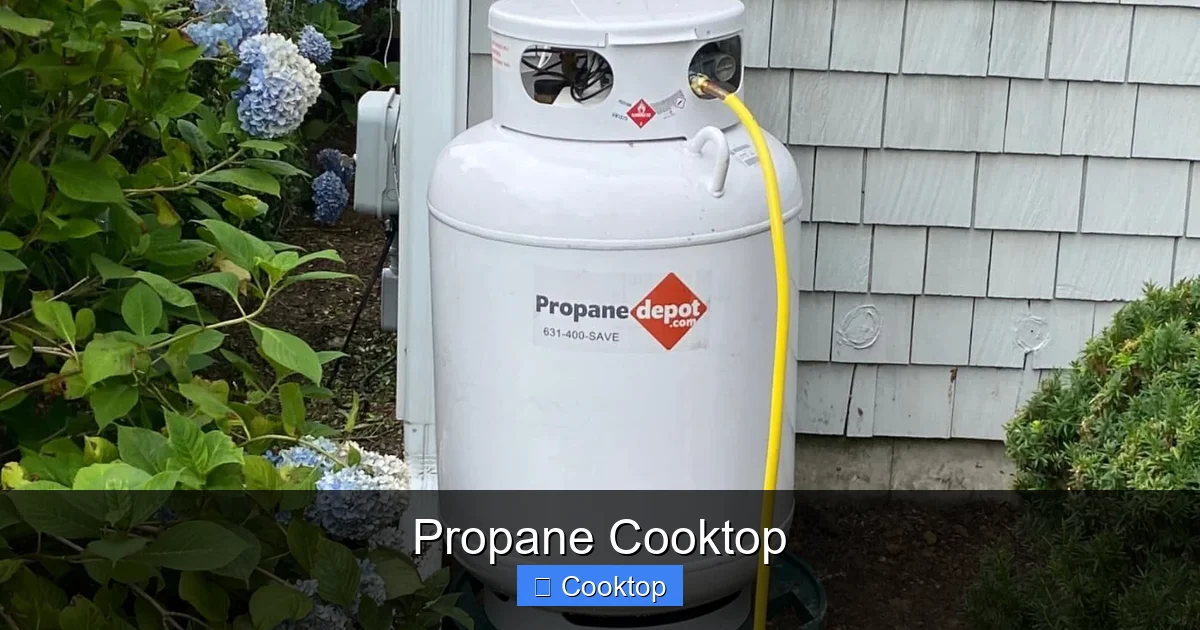
Propane cooktops offer a versatile and energy-efficient cooking solution, ideal for both indoor and outdoor use. They provide precise heat control, portability, and reliability even during power outages. Explore their advantages, types, and essential safety practices in this comprehensive guide.
Key Takeaways
- Enhanced Portability: Propane cooktops are lightweight and easy to move, making them perfect for camping, RVs, or temporary kitchens.
- Energy Efficiency: They heat up quickly and use less energy compared to electric models, reducing cooking time and fuel costs.
- Outdoor Versatility: Ideal for backyard cooking, tailgating, or emergency use when electricity is unavailable.
- Safety Features: Modern propane cooktops include automatic shut-off mechanisms and flame failure protection for secure operation.
- Variety of Options: Available in single, double, or multi-burner designs to suit different cooking needs and spaces.
- Low Maintenance: Simple cleaning routines and periodic checks ensure long-lasting performance with minimal effort.
- Cost-Effective Choice: Lower upfront costs and affordable fuel make propane cooktops a budget-friendly alternative to electric or induction models.
📑 Table of Contents
What is a Propane Cooktop?
A propane cooktop is a cooking appliance that uses propane gas as its primary fuel source. Unlike electric or induction models, these cooktops generate heat through an open flame, providing instant temperature control and even heat distribution. They are commonly found in outdoor kitchens, camping setups, and as backup cooking solutions during power outages. The core components include gas burners, a control valve, and a heat diffuser that ensures efficient energy transfer.
Propane cooktops work by igniting propane stored in portable tanks or connected to a larger fuel source. The flame is regulated by knobs that control gas flow, allowing users to adjust heat levels precisely. This design makes them highly responsive to temperature changes, a feature that many chefs prefer for tasks like searing or simmering. Whether you’re cooking a feast outdoors or need a reliable kitchen appliance, propane cooktops deliver consistent performance in various environments.
How Does a Propane Cooktop Work?
The process starts when propane gas flows from the tank to the burner through a connected hose. When the control knob is turned, gas mixes with air and ignites via a spark or pilot light. The flame heats the cooktop surface or directly contacts cookware, transferring thermal energy rapidly. This direct heat method eliminates the lag time associated with electric elements, making propane cooktops faster and more efficient.
Advantages of Using a Propane Cooktop
Propane cooktops offer several compelling benefits that make them a popular choice among homeowners and outdoor enthusiasts. Their ability to function without electricity makes them invaluable during emergencies, while their portability allows for flexible use in various settings. Additionally, they are often more affordable than high-end electric or induction models, providing excellent value for money.
Visual guide about Propane Cooktop
Image source: propanedepot.com
Energy Efficiency and Cost Savings
Propane burns cleanly and efficiently, heating cookware directly without energy loss through heating elements. This translates to faster cooking times and lower fuel consumption compared to electric models. For frequent outdoor cooks, propane cooktops can significantly reduce energy bills while delivering reliable performance. When paired with compatible cookware, such as those recommended for ceramic cooktops, efficiency is further enhanced.
Portability and Flexibility
One of the standout features of propane cooktops is their portability. Lightweight models can be easily transported to camping sites, picnics, or tailgating events. Their independence from electrical outlets makes them ideal for remote locations. For those with limited kitchen space, a single burner cooktop offers a compact solution without sacrificing functionality.
Environmental Benefits
Propane is a clean-burning fuel that produces fewer emissions than wood or coal. It’s also non-toxic and doesn’t contaminate soil or groundwater, making it a safer option for outdoor use. Many modern propane cooktops are designed with eco-friendly materials and energy-saving features, aligning with sustainable cooking practices.
Types of Propane Cooktops
Propane cooktops come in various configurations to meet different needs. From portable models for camping to built-in units for outdoor kitchens, each type offers unique advantages. Understanding these variations helps users select the best option for their lifestyle and space.
Portable Propane Cooktops
Designed for mobility, portable propane cooktops are perfect for camping trips, RV adventures, or small outdoor gatherings. These units typically feature one or two burners and connect to standard propane tanks. Brands like Coleman and Camp Chef offer models that are both durable and easy to set up. For those seeking a compact solution, a mini induction cooktop might seem appealing, but propane models excel in outdoor scenarios where electricity is scarce.
Built-In Propane Cooktops
These units are installed permanently in outdoor kitchens or as part of a larger cooking setup. Built-in models often include multiple burners, integrated ignition systems, and weather-resistant materials. They provide the convenience of a full kitchen experience while maintaining the efficiency of propane fuel. When considering installation, ensure compatibility with existing infrastructure and check local regulations.
Single vs. Double Burners
Single burner models are ideal for solo cooks or small meals, while double burners accommodate larger cooking tasks. The choice depends on your cooking habits and available space. For households that frequently entertain guests, a double induction cooktop might be a consideration, but propane models offer superior flexibility in outdoor environments.
Safety Considerations for Propane Cooktops
While propane cooktops are generally safe, proper precautions are essential to prevent accidents. Always follow manufacturer guidelines and take steps to ensure safe operation in both indoor and outdoor settings.
Visual guide about Propane Cooktop
Image source: propanedepot.com
Ventilation and Indoor Use
Never use a propane cooktop indoors without adequate ventilation. Carbon monoxide buildup can occur if gases aren’t properly dispersed. For enclosed spaces, consider models with integrated downdraft ventilation systems. Always install carbon monoxide detectors near cooking areas to monitor air quality.
Proper Storage and Handling
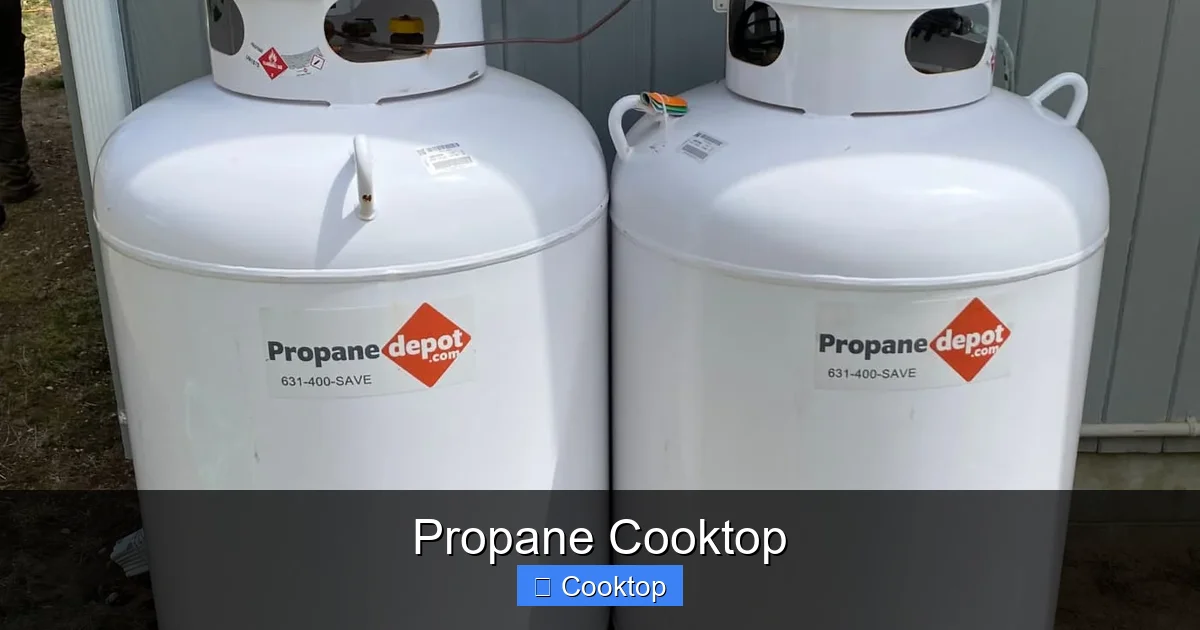
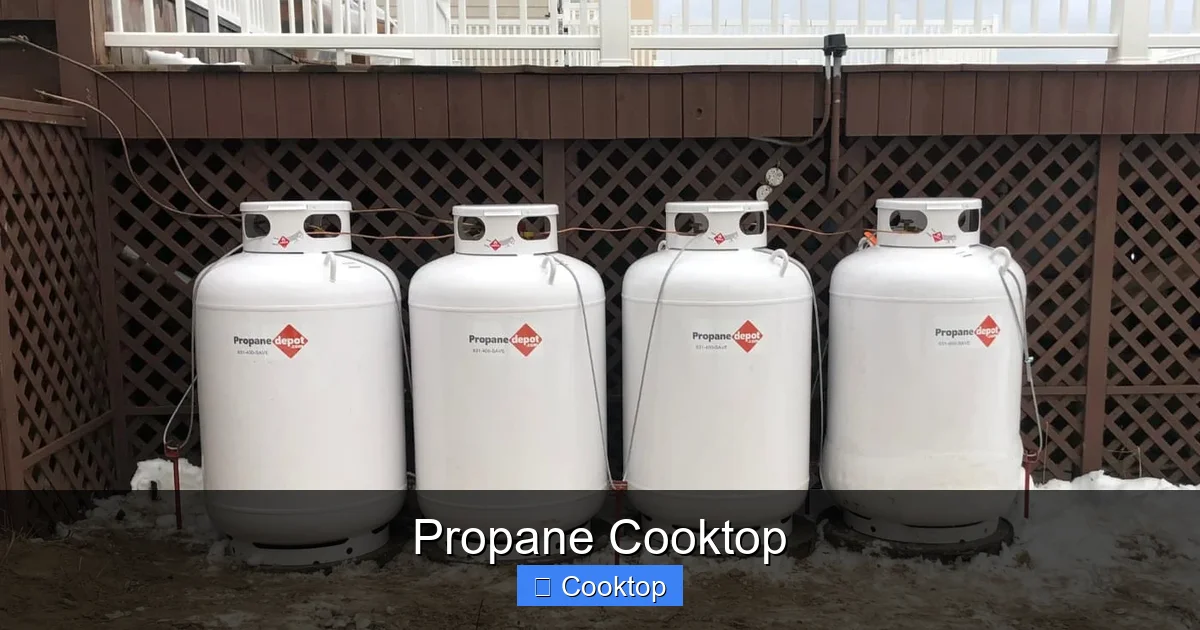
Store propane tanks in well-ventilated areas away from heat sources. Check for leaks regularly using a soapy water solution on connections. Never overfill tanks, and ensure they are secured during transport. For added safety, opt for models with automatic shut-off features that activate if the flame is extinguished unexpectedly.
Emergency Preparedness
Having a propane cooktop on hand can be a lifesaver during power outages or natural disasters. Keep a spare propane tank and familiarize yourself with the cooktop’s operation. Pair it with a portable electric cooktop for a hybrid solution that covers all scenarios.
Maintenance and Care Tips
Regular maintenance ensures your propane cooktop remains safe and efficient. Simple cleaning routines and periodic inspections can extend its lifespan and prevent costly repairs.
Cleaning the Burners
After each use, allow the cooktop to cool and wipe down surfaces with a mild detergent. For stubborn residue, use a ceramic cooktop scraper to gently remove buildup. Avoid abrasive cleaners that can damage the finish. Check burner ports for clogs and clean them with a soft brush or compressed air.
Checking Connections and Hoses
Inspect gas hoses and connections monthly for signs of wear or leaks. Replace damaged components immediately to avoid hazards. Use a ceramic cooktop cleaner to maintain the exterior, but never apply chemicals near gas inlets. Professional servicing annually ensures optimal performance and safety.
Seasonal Storage
If storing your propane cooktop for extended periods, disconnect the tank and clean thoroughly. Store in a dry, protected area to prevent rust or debris accumulation. Cover with a breathable cloth to shield from dust while allowing moisture to escape.
Choosing the Right Propane Cooktop
Selecting the best propane cooktop involves evaluating your cooking needs, space constraints, and budget. Consider factors like BTU output, burner configuration, and additional features to make an informed decision.
BTU Output and Heat Control
Higher BTU ratings indicate more powerful burners, suitable for high-heat cooking like stir-frying or boiling large pots. For delicate tasks like melting chocolate, opt for models with precise low-heat settings. Compare features with induction cooktops that offer similar precision but rely on electricity.
Size and Design
Measure your available space before purchasing. Compact models fit snugly on small patios or balconies, while larger units accommodate bigger cookware and multiple burners. Choose a design that complements your outdoor kitchen aesthetic, whether modern stainless steel or classic enamel finishes.
Accessories and Upgrades
Enhance your cooktop with accessories like griddles, wok rings, or wind guards for outdoor use. Explore cooktop parts and accessories to customize your setup. Some models support conversion kits for natural gas, offering flexibility for future upgrades.
Conclusion
Propane cooktops combine practicality, efficiency, and versatility, making them a valuable addition to any kitchen or outdoor space. Their ability to function independently of electricity, coupled with low maintenance and cost-effective operation, ensures they remain a top choice for cooks worldwide. Whether you’re planning a camping trip or upgrading your backyard kitchen, a propane cooktop delivers reliable performance and endless possibilities.
Frequently Asked Questions
Are propane cooktops safe to use indoors?
Propane cooktops should only be used indoors with proper ventilation to prevent carbon monoxide buildup. Ensure the area is well-ventilated and install detectors for added safety.
How often should I check my propane cooktop for leaks?
Inspect gas hoses and connections monthly for wear or damage. Always check for leaks before each use by applying a soapy water solution to connections.
Can I use any cookware on a propane cooktop?
Most cookware works, but avoid glass or ceramic pieces that may crack under direct flame. Opt for durable materials like stainless steel or cast iron for best results.
What’s the difference between a propane and butane cooktop?
Propane performs better in colder temperatures, while butane is more efficient in warm climates. Propane is the preferred choice for year-round outdoor cooking in varied weather conditions.
How do I clean a propane cooktop after heavy use?
Allow the cooktop to cool, then wipe surfaces with a mild cleaner. Use a soft brush to remove residue from burner ports, and avoid abrasive materials that can scratch the finish.
What size propane tank is best for a cooktop?
For portable models, a 16-ounce to 20-pound tank suffices for occasional use. Larger setups may require 30-pound or higher-capacity tanks for extended cooking sessions.