Salton Induction Cooktop
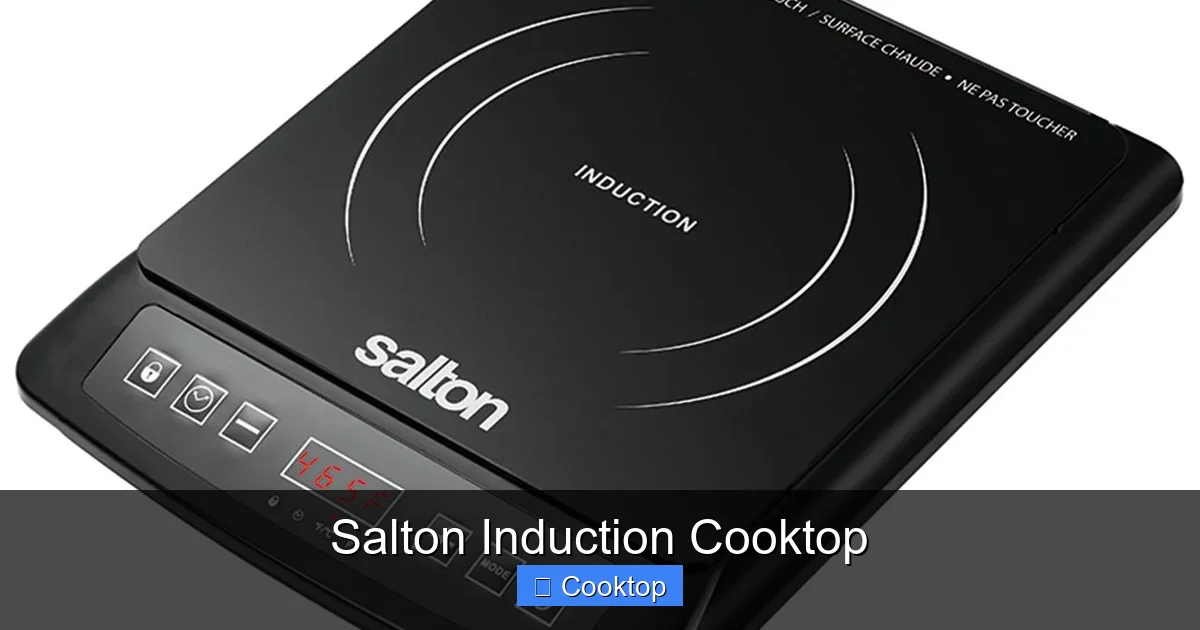
The Salton Induction Cooktop blends modern design with fast, precise heating, making everyday cooking a breeze. Its safety features, easy controls, and energy efficiency make it a top choice for budget‑friendly kitchens.
Key Takeaways
- Fast heating: Reaches boiling temps up to 50% quicker than traditional electric coils.
- Energy efficient: Uses only the cookware’s magnetic field, saving up to 30% on electricity.
- Safety first: Features auto‑shutoff, child lock, and a cool‑to‑touch surface.
- Simple controls: Touch‑sensitive knobs and LED indicators are intuitive for all skill levels.
- Versatile cookware: Works with most magnetic pots and pans, from stainless steel to cast iron.
- Easy cleanup: Flat glass surface wipes clean; no lingering spills or stains.
- Affordable upgrade: Offers premium induction performance at a mid‑range price point.
📑 Table of Contents
- Introduction: Why Induction Is Changing the Kitchen
- How the Salton Induction Cooktop Works
- Design and Build Quality
- Performance: Speed, Power, and Precision
- Safety Features That Give Peace of Mind
- Choosing the Right Cookware
- Installation and Setup
- Maintenance and Care
- Is the Salton Induction Cooktop Right for You?
- Conclusion: A Smart, Affordable Upgrade
Introduction: Why Induction Is Changing the Kitchen
Imagine turning on a burner and having water boil in seconds, while the surface stays cool enough to touch. That’s the promise of induction cooking, and the Salton Induction Cooktop brings that promise to everyday homes without breaking the bank. Over the past few years, induction technology has moved from high‑end restaurants to compact apartments, thanks to advances in magnetic heating and smarter controls.
In this guide we’ll walk through everything you need to know about the Salton model – from core technology and key features to real‑world tips for getting the most out of your new cooktop. Whether you’re a seasoned chef or just learning to sauté, you’ll discover why this appliance might be the perfect fit for your kitchen.
How the Salton Induction Cooktop Works
Magnetic induction explained
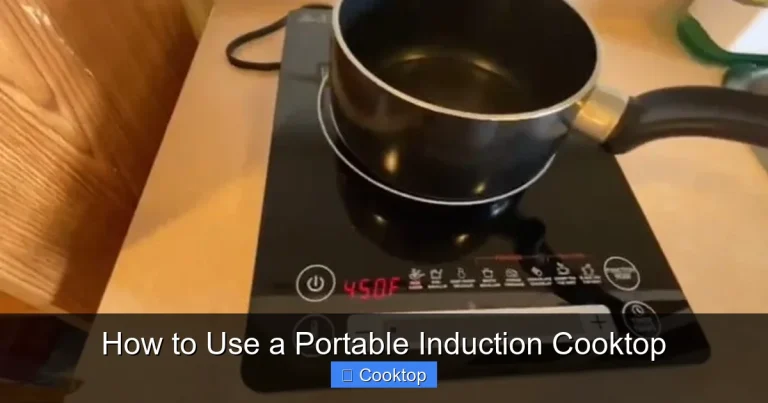
Induction cooking relies on an electromagnetic field generated by a copper coil beneath the glass surface. When you place a ferrous (magnetic) pan on the cooktop, the field creates tiny electric currents, called eddy currents, which heat the pan directly. The cooktop itself stays relatively cool, which is why spills don’t scorch and why the surface feels safe to touch.
Visual guide about Salton Induction Cooktop
Image source: homedepot.scene7.com
Key components of the Salton unit
- Copper coil: Delivers rapid, even heat distribution.
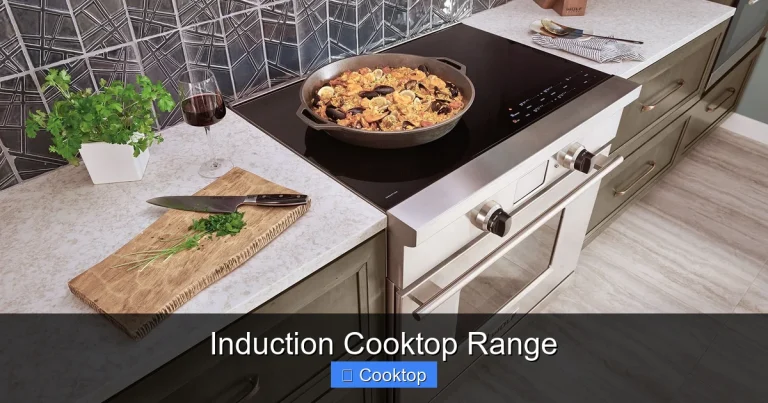
- Glass‑ceramic top: Smooth, scratch‑resistant surface that’s easy to clean.
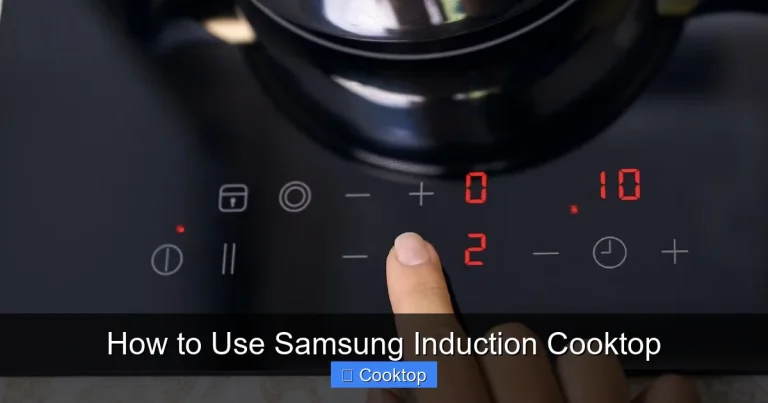
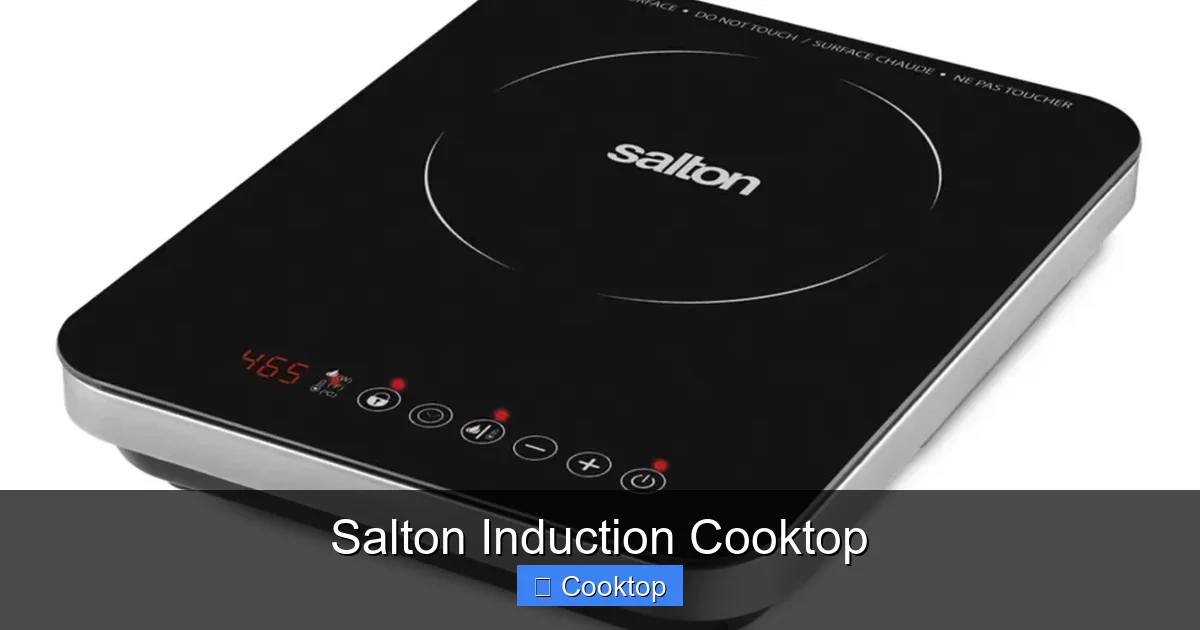
- Touch‑sensitive controls: Allows precise temperature adjustments with a simple tap.
- Safety sensors: Detects cookware presence, overheats, and automatically shuts off.
All these parts work together to give you the speed of a gas flame with the precision of a digital oven.
Design and Build Quality
Stylish, space‑saving aesthetics
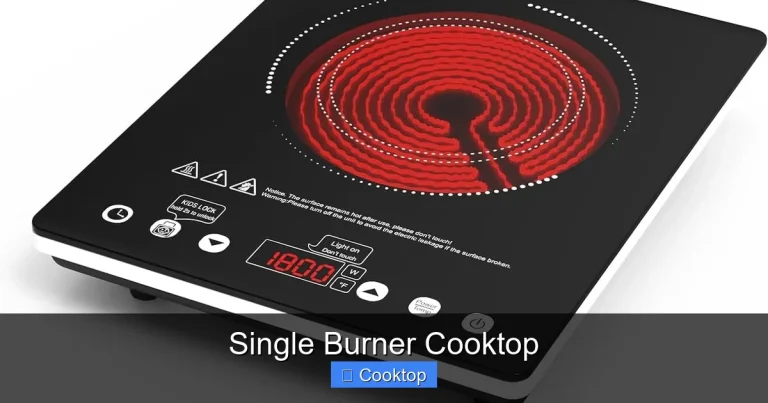
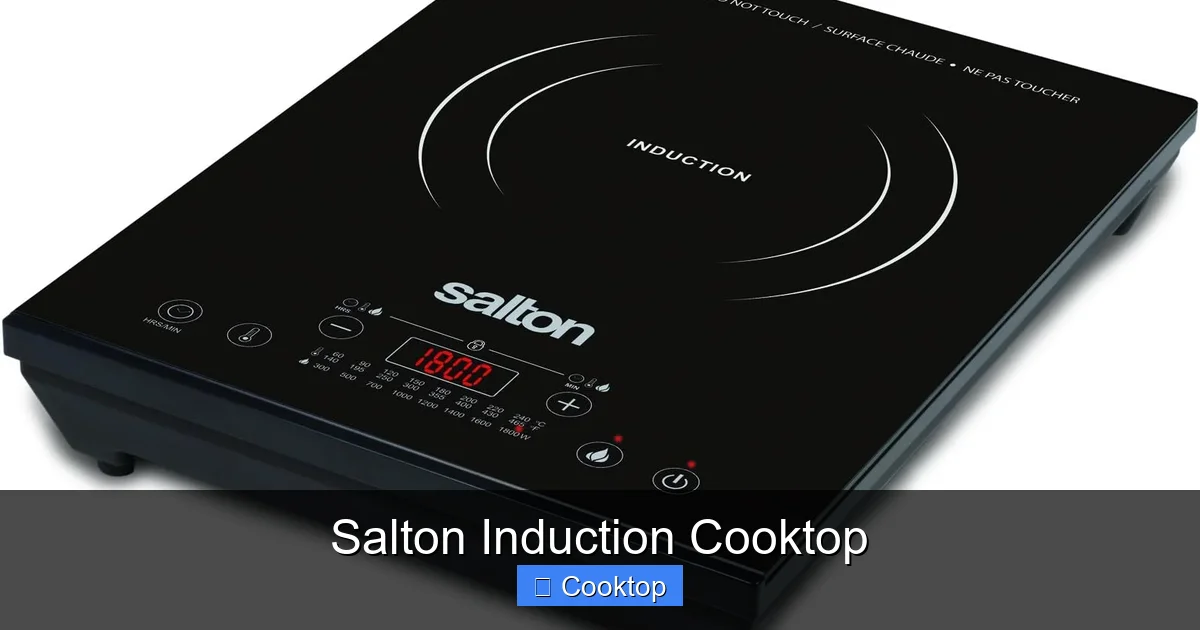
The Salton Induction Cooktop features a sleek, black glass‑ceramic surface framed by brushed stainless steel. Its low‑profile design fits comfortably on countertops as thin as 1.5 inches, freeing up valuable kitchen real estate. The front‑facing touch panel eliminates bulky knobs, giving the unit a modern, minimalist look.
Visual guide about Salton Induction Cooktop
Image source: m.media-amazon.com
Durability you can trust
Salton uses tempered glass that resists scratches and thermal shock. The copper coil is sealed within the glass, protecting it from spills and steam. Even with daily use, the surface maintains its shine, and the built‑in protective film helps guard against minor abrasions.
Performance: Speed, Power, and Precision
Rapid heating and power levels
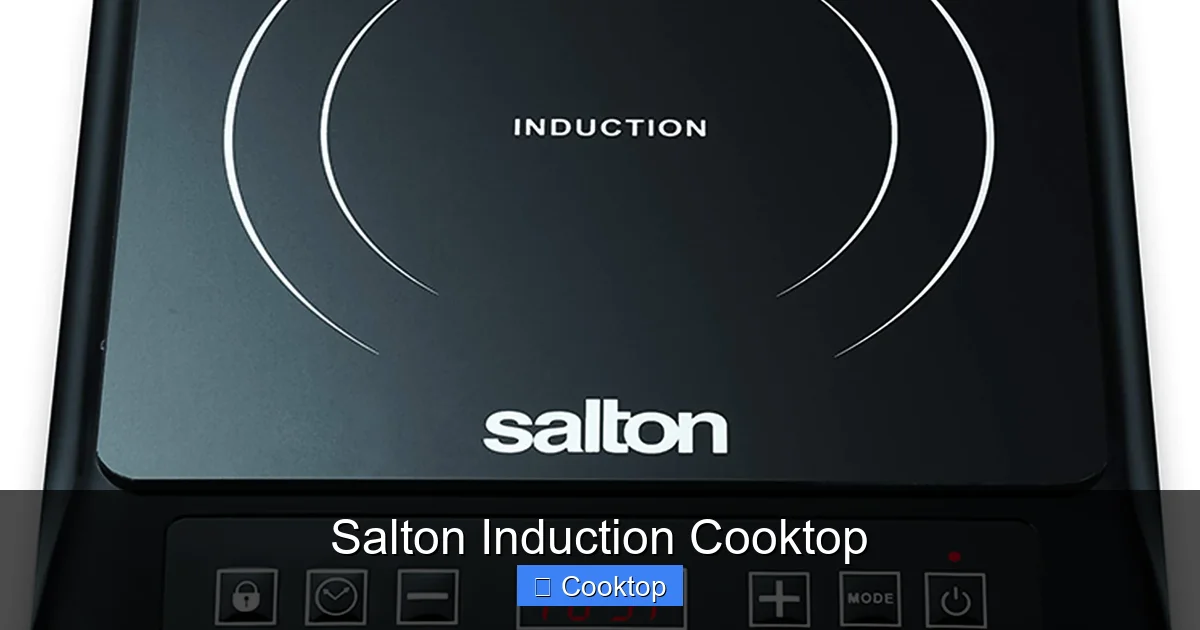
One of the standout features of the Salton Induction Cooktop is its high wattage options. The unit offers four power settings ranging from 600 W for gentle simmering to 1800 W for a rapid boil. In practical terms, a pot of water reaches a rolling boil in under three minutes—about half the time of a standard electric coil.
Visual guide about Salton Induction Cooktop
Image source: m.media-amazon.com
Precise temperature control
Thanks to digital sensors, the cooktop can maintain temperatures within a 2‑degree Celsius margin. This precision is ideal for delicate tasks like melting chocolate or simmering sauces. The LED display shows the exact temperature, so you never have to guess.
Consistent cooking across the surface
Unlike gas burners that create hot spots, the Salton’s induction field spreads evenly across the entire pan base. This uniform heat eliminates the need to constantly stir or rotate pots, giving you consistent results every time.
Safety Features That Give Peace of Mind
Auto‑shutoff and child lock
If the cooktop detects no cookware for more than 30 seconds, it automatically powers down to prevent waste. A child‑lock button disables the touch panel, preventing accidental activation by curious little hands.
Cool‑to‑touch surface
Because the glass only heats when magnetic cookware is present, the surrounding area remains safe to touch. This feature reduces burn risks and makes cleaning up spills safer—just wipe with a damp cloth.
Overheat protection
Built‑in thermal sensors monitor the unit’s temperature. If it exceeds safe limits, the system triggers an immediate shutdown and alerts you with a flashing LED.
Choosing the Right Cookware
What works best with Salton?
To unlock the full potential of the Salton Induction Cooktop, you need magnetic cookware. Look for symbols like a coil or the letters “IH” on the bottom of pans. Stainless steel, cast iron, and certain aluminum pans with a magnetic base are ideal.
For specific recommendations, check out our guide on cookware for induction cooktops. It explains why a 12‑inch non‑stick skillet or a heavy‑bottomed stock pot can make a big difference in heating efficiency.
Tips for testing compatibility
- Place a magnet on the pan’s base; if it sticks firmly, the pan is induction‑ready.
- Use a flat, smooth bottom for optimal contact with the glass surface.
- Avoid warped pans, as they can cause uneven heating and trigger safety sensors.
Installation and Setup
Simple plug‑and‑play
The Salton Induction Cooktop is a countertop model, so no permanent installation is required. Just place it on a stable, heat‑resistant surface near an electrical outlet (120 V, 15 A in the U.S.). The unit comes with a short, grounded power cord for easy connection.
First‑time use checklist
- Wipe the surface with a soft, damp cloth to remove any dust.
- Plug the unit into a grounded outlet.
- Place a compatible pan on the center of the cooktop.
- Press the power button; the LED will illuminate.
- Select your desired power level using the touch panel.
If you’re new to induction, our article on how to use an induction cooktop provides a step‑by‑step walkthrough.
Maintenance and Care
Cleaning the glass surface
Because the top stays cool, cleaning is a breeze. Wait for the surface to cool, then wipe with a soft sponge and mild dish soap. For stubborn residue, a glass‑ceramic cleaner works well—avoid abrasive pads that could scratch the surface.
Preventing scratches
Always lift pans rather than sliding them across the glass. Use silicone mats or a non‑scratch pad when cooking with metal utensils. Our guide on silicone mats for induction cooktops offers great product ideas.
Troubleshooting common issues
If the unit doesn’t recognize a pan, double‑check that the cookware is magnetic and that the bottom is flat. For error codes, consult the user manual’s troubleshooting section or visit our article on how to fix a cracked induction cooktop for broader repair tips.
Is the Salton Induction Cooktop Right for You?
Ideal scenarios
- Small apartments: The compact size saves counter space.
- Energy‑conscious households: Lower electricity bills thanks to efficient heating.
- Families with children: Safety features reduce burn hazards.
- Home chefs: Precise temperature control for sauces, chocolates, and more.
Potential drawbacks
The main limitation is the need for compatible cookware. If you have a collection of non‑magnetic pans, you’ll need to invest in new pieces. Additionally, the touch panel can be less responsive if your hands are wet or greasy, so keep them clean during use.
Conclusion: A Smart, Affordable Upgrade
The Salton Induction Cooktop delivers many of the high‑end benefits of professional induction systems—fast heating, precise control, and strong safety features—at a price that fits most budgets. Its sleek design, easy installation, and straightforward operation make it a practical addition for anyone looking to modernize their kitchen without a major renovation.
By pairing the cooktop with the right magnetic cookware and following simple maintenance habits, you’ll enjoy quicker meals, lower energy costs, and a safer cooking environment. Ready to make the switch? The Salton Induction Cooktop could be the upgrade your kitchen has been waiting for.
Frequently Asked Questions
What types of pots and pans work with the Salton Induction Cooktop?
Any cookware with a magnetic base—such as stainless steel, cast iron, or magnetic‑bottomed aluminum—will work. Test with a magnet; if it sticks, the pan is induction‑compatible.
Can I use a wok on the Salton Induction Cooktop?
Yes, provided the wok has a flat, magnetic bottom. For best results, choose a wok designed specifically for induction cooking.
Is the Salton Induction Cooktop safe for children?
Absolutely. It features a child lock, auto‑shutoff, and a cool‑to‑touch surface, reducing the risk of accidental burns.
How energy‑efficient is the Salton Induction Cooktop compared to electric coils?
Induction transfers heat directly to the cookware, typically using 20‑30% less electricity than traditional electric coil burners.
Do I need a special outlet to install the Salton Induction Cooktop?
No special wiring is required. It plugs into a standard 120 V, 15 A grounded outlet, making it perfect for portable or countertop use.
How do I clean burnt‑on food from the glass surface?
Let the surface cool, then use a soft sponge with mild dish soap. For tougher stains, a non‑abrasive glass‑ceramic cleaner will dissolve residue without scratching.