30 Downdraft Gas Cooktop
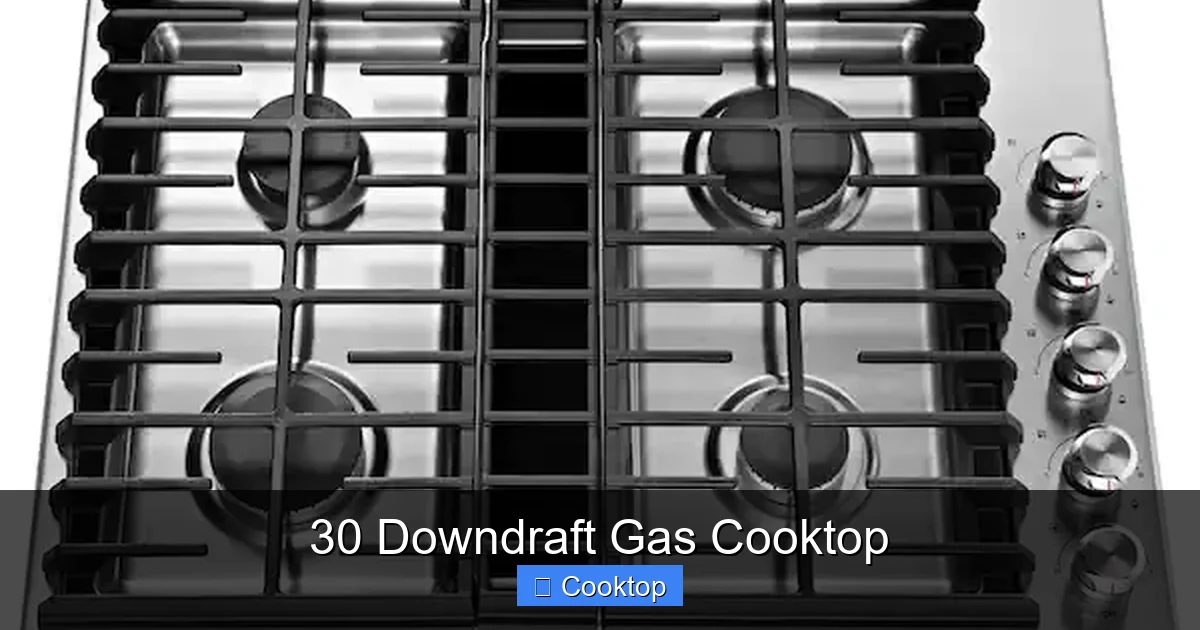
A 30 downdraft gas cooktop is a space-saving kitchen solution that combines the power of gas cooking with a built-in ventilation system. It eliminates the need for a bulky overhead hood by pulling smoke and steam downward, making it perfect for kitchen islands and open-concept homes.
Imagine a kitchen where you have all the power of a professional gas range, but none of the bulky metal hoods hanging over your head. For many of us, the dream is an open-concept space where the kitchen flows right into the living room. However, cooking with gas often means dealing with smoke, grease, and smells that can drift through the whole house. That is where a 30 downdraft gas cooktop comes into play.
A 30 downdraft gas cooktop is a game-changer for modern home design. Instead of pushing air up and out through a ceiling vent, this system pulls air down and out through the floor or side walls. It is a sleek, hidden solution that keeps your kitchen looking clean and minimalist while giving you the culinary control you need to sear a steak or simmer a delicate sauce.
Whether you are remodeling your entire home or just upgrading your current appliance, understanding how these units work is key. In this guide, we will dive deep into the benefits, the installation process, and how to choose the right model for your cooking style. Let’s explore why this specific setup might be the perfect fit for your dream kitchen.
Key Takeaways
- Space Efficiency: Removes the need for an overhead vent hood, opening up your ceiling and sightlines.
- Island Ideal: The best choice for cooktops located on kitchen islands where ducting to the ceiling is impossible.
- Gas Performance: Offers the precise heat control and high power that home chefs love about gas cooking.
- Integrated Venting: The downdraft vent pops up or stays flush, sucking odors and steam directly from the source.
- Installation Needs: Requires specific cabinetry space for the blower motor and ductwork under the counter.
- Versatile Design: Fits perfectly into a standard 30-inch cutout, making it a great replacement for older models.
📑 Table of Contents
What Exactly is a 30 Downdraft Gas Cooktop?
At its simplest, a 30 downdraft gas cooktop is a standard 30-inch wide gas cooking surface paired with an integrated ventilation system. The “downdraft” part refers to the vent that sits behind or beside the burners. When you turn it on, a vent rises up (or uses a powerful suction grate) to pull steam, smoke, and grease downward into a filter and then out of the house.
How the Downdraft System Works
Unlike a traditional range hood that relies on the natural tendency of heat to rise, a downdraft system uses a powerful blower motor to create a vacuum. This vacuum pulls the air down before it has a chance to spread across the room. This is incredibly useful for those who love to cook but hate the lingering smell of fried fish or sautéed onions in their living room furniture.
The 30-Inch Standard
The 30-inch size is the most common standard for residential kitchens. It provides enough room for four to five burners without taking up too much counter space. This makes it a versatile choice for small to medium-sized kitchens. If you are moving from a traditional range, a best 30 inch slide in gas range might have been your previous go-to, but switching to a cooktop with a downdraft allows you to separate your cooking surface from your oven, giving you more flexibility in your layout.
The Major Benefits of Choosing Downdraft Ventilation
Why choose a downdraft over a traditional hood? The biggest reason is almost always aesthetics and layout. When you remove the overhead hood, you remove a huge visual barrier. This creates a “seamless” look that makes a room feel much larger and airier.
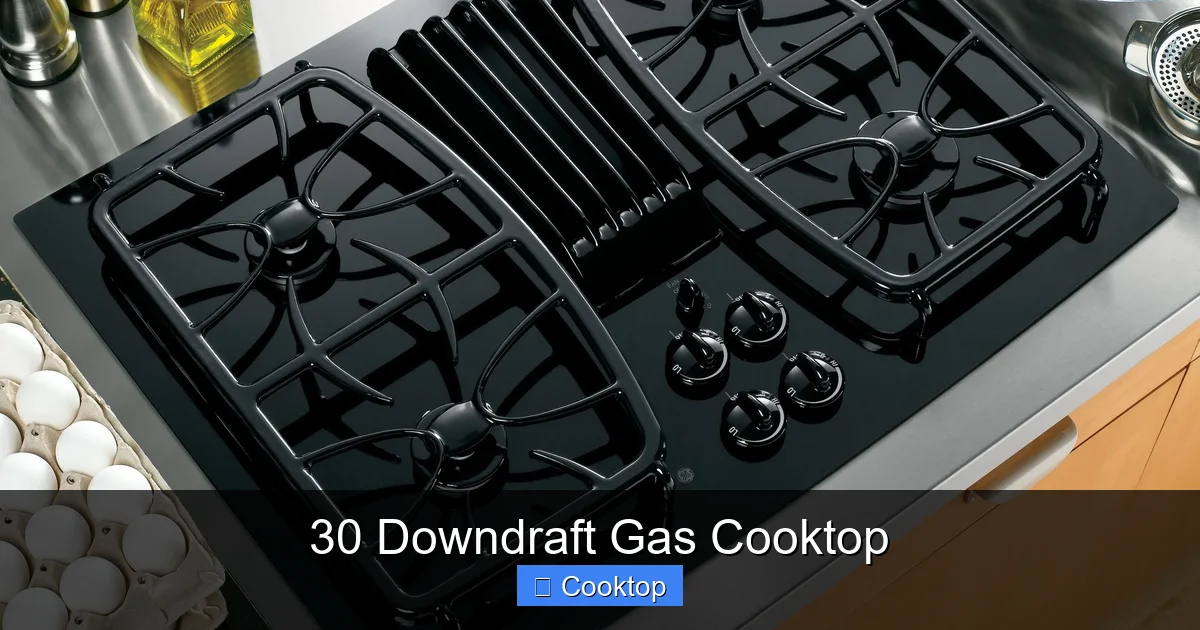
Visual guide about 30 Downdraft Gas Cooktop
Image source: i.pinimg.com
Perfect for Kitchen Islands
If your cooktop is located on an island, a traditional vent hood is often impossible or incredibly expensive to install because it requires running ducts through the ceiling. A 30 downdraft gas cooktop solves this problem. The ductwork is hidden beneath the cabinetry and floor, allowing your island to remain the center of attention without a giant metal chimney blocking the view of your guests.
Better Airflow at the Source
Because the vent is located right next to the pans, it catches a lot of the grease and steam before it ever reaches your face. This can be a more comfortable experience for the cook. You don’t have to lean under a hood to see what’s happening; the ventilation is happening right at the surface of the stove.
Modern Aesthetic Appeal
Modern design is all about “hidden” technology. Many downdraft vents are retractable. This means when you aren’t cooking, the vent is completely hidden. Your counter looks like a flat, clean surface. When it’s time to cook, you simply press a button, and the vent rises up to do its job. It’s a touch of luxury that makes any kitchen feel high-end.
Performance and Cooking Capabilities
One of the main reasons people stick with gas is the control. You can see the flame, you can toss a pan, and you get instant heat changes. A 30 downdraft gas cooktop doesn’t sacrifice any of that power just because it has a built-in vent.
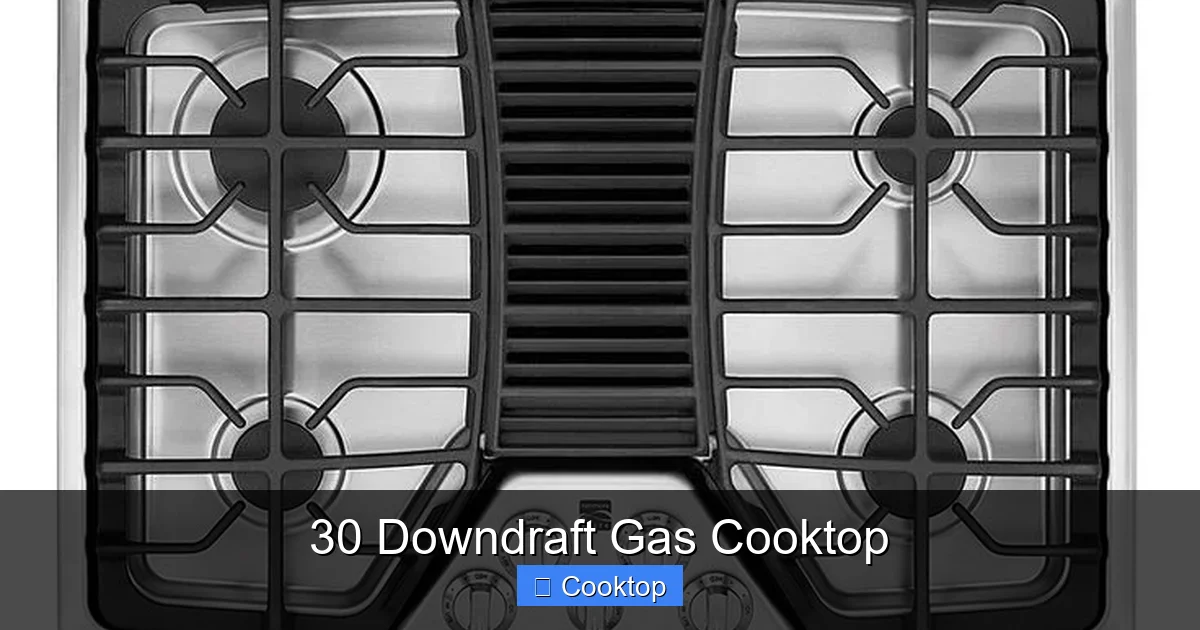
Visual guide about 30 Downdraft Gas Cooktop
Image source: i.pinimg.com
Burner Variety and Power
Most of these units come with a mix of burner sizes. You will typically find a high-BTU power burner for boiling water or searing, and a small simmer burner for melting butter or warming delicate sauces. Some high-end models even include a center griddle or a dedicated wok burner. If you enjoy high-heat cooking, pairing your cooktop with a best carbon steel wok for gas stove will allow you to take full advantage of those powerful flames.
Precision Heat Control
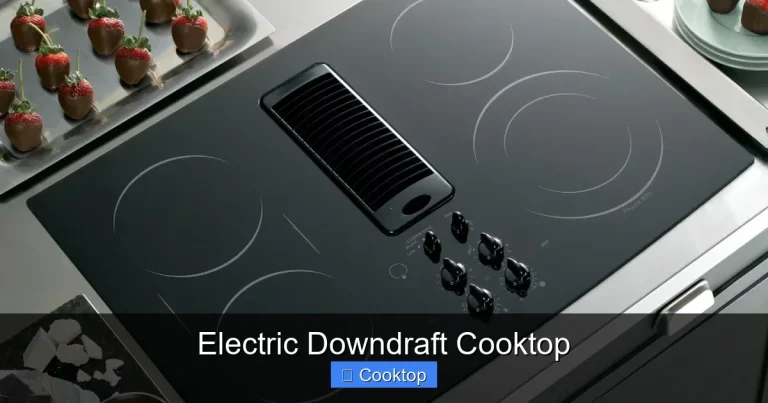
Gas allows for immediate adjustments. If your sauce starts to boil over, you turn the knob, and the heat drops instantly. This is a huge advantage over some electric models. While a 30 inch electric cooktop with downdraft offers a sleek look, it often lacks the tactile response and “feel” that gas provides to a seasoned home cook.
Managing Smoke and Grease
Gas cooking produces combustion by-products and grease particles. The downdraft system is designed to handle this. Most units use charcoal filters or grease traps that are easy to remove and clean. By capturing the grease at the source, you also keep your surrounding cabinets cleaner for longer.
Installation and Technical Considerations
Before you buy a 30 downdraft gas cooktop, you need to know that installation is more complex than a standard cooktop. You aren’t just plugging in a stove; you are installing a ventilation system.
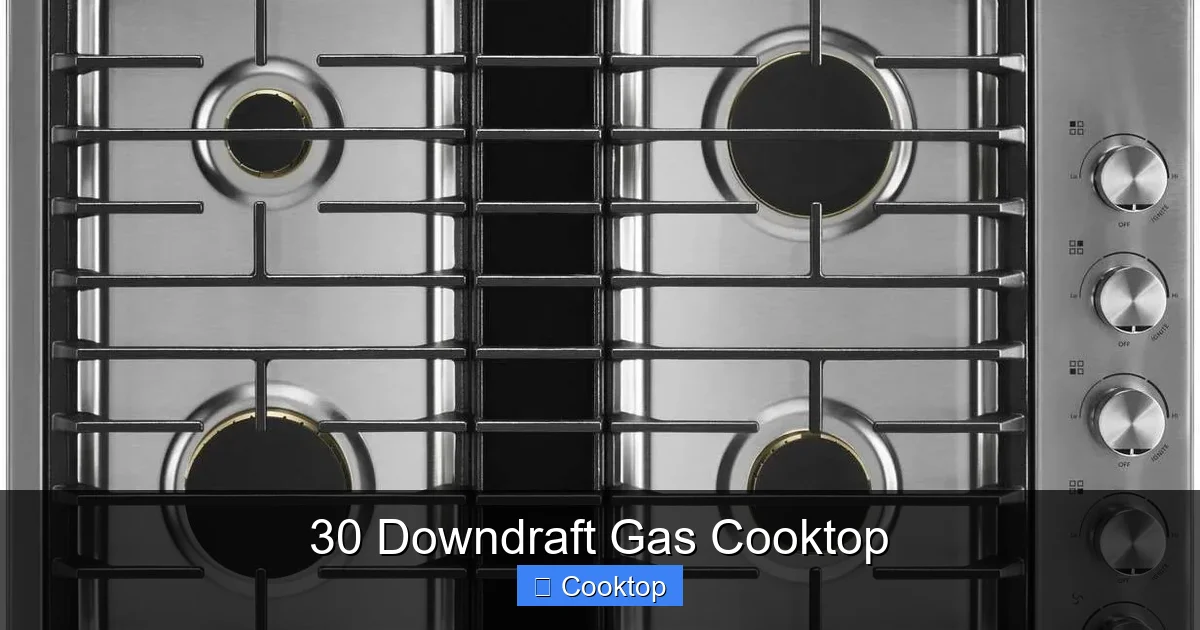
Visual guide about 30 Downdraft Gas Cooktop
Image source: cdn.shopify.com
Cabinetry and Cutouts
You will need a specific cutout in your countertop for the cooktop, but you also need space for the vent mechanism. This usually means a portion of your under-counter cabinet space will be occupied by the blower motor and the ducting. You must plan your cabinet layout carefully to ensure you don’t lose too much storage space.
Ducting Options
There are generally two ways to vent a downdraft system:
- Ducted: The air is pushed through a pipe in the floor or wall and vented outside. This is the most effective method for removing heat and odors completely.
- Recirculating: The air is pulled through a filter, cleaned, and blown back into the room. This is easier to install but less effective at removing heat and humidity.
Gas and Electric Requirements
You will need a dedicated gas line for the burners and an electrical outlet for the blower motor and ignition. Ensure your kitchen’s electrical circuit can handle the additional load of the vent motor, as some high-power blowers require a dedicated circuit to prevent tripping breakers.
Comparing Gas Downdraft to Other Options
When shopping, you might wonder if you should go with gas, induction, or electric. Each has its pros and cons, but the “downdraft” feature remains the constant.
Gas vs. Induction
Induction is faster and easier to clean, but gas is more versatile. Induction requires specific magnetic cookware, whereas gas works with everything from cast iron to copper. If you have a collection of heirloom pots, gas is the way to go. However, if you prioritize a completely flat surface and extreme safety (no open flame), induction is a great alternative.
Gas vs. Electric
Electric cooktops are often cheaper, but they take longer to heat up and cool down. Gas provides that “chef’s experience” that many people crave. For those who want the best of both worlds, some people look into hybrid options, though a dedicated 30 downdraft gas cooktop is usually the preferred choice for those who prioritize cooking performance above all else.
Maintenance Tips for Longevity
To keep your 30 downdraft gas cooktop running perfectly, you need to stay on top of cleaning. Because the vent is so close to the food, it catches a lot of debris.
Cleaning the Burners
Gas burners can get clogged with boiled-over pasta water or grease. Regularly remove the grates and wipe down the surface. Use a soft brush to clear any debris from the burner ports to ensure an even flame. Avoid using harsh chemicals that could strip the finish of the stainless steel or enamel.
Maintaining the Vent Filters
The filters are the heart of the downdraft system. If they get clogged with grease, the suction power will drop, and you’ll notice more smoke in your kitchen. Most filters are dishwasher safe. We recommend cleaning them every few weeks if you cook daily. If you use charcoal filters for odor removal, remember to replace them every 6 to 12 months.
Checking for Leaks
Safety first! Periodically check your gas connections. While modern appliances are very safe, it is always a good habit to ensure there are no leaks. If you ever smell gas when the unit is off, shut off the main valve and call a professional immediately.
Choosing the Right Model for Your Home
Not all downdraft cooktops are created equal. When shopping, look for these specific features to ensure you get the best value.
Blower Power (CFM)
CFM stands for Cubic Feet per Minute. This measures how much air the vent can move. The higher the CFM, the more powerful the suction. If you do a lot of frying or searing, look for a model with a higher CFM to ensure your home stays fresh.
Noise Levels
Since the blower is located under your counter, the noise can sometimes be more noticeable than an overhead hood. Look for models with “quiet mode” or variable speed settings. This allows you to run it on low for simmering and high only when you’re searing a steak.
Material Quality
Stainless steel is the gold standard for durability and cleanliness. Ensure the grates are heavy-duty cast iron, as these provide the best stability for your pans and won’t warp over time under high heat.
Conclusion
A 30 downdraft gas cooktop is more than just an appliance; it is a design choice that transforms how you use your kitchen. By removing the visual clutter of a range hood, you create a more open, inviting space that encourages guests to gather around the island while you cook. You get the raw power and precision of gas flames combined with the clever engineering of hidden ventilation.
While the installation requires a bit more planning and the maintenance requires regular filter cleaning, the payoff is a professional-grade cooking experience in a modern, streamlined environment. Whether you are a gourmet chef or a weekend home cook, this setup provides the perfect balance of form and function.
If you are ready to reclaim your ceiling space and upgrade your cooking game, the 30 downdraft gas cooktop is an investment that adds both value to your home and joy to your cooking routine. Just remember to plan your cabinetry carefully, choose a high-CFM blower, and keep those filters clean!
Frequently Asked Questions
Is a downdraft vent as effective as a range hood?
For most home cooks, yes. While range hoods are slightly better at capturing rising heat, a downdraft is excellent at catching smoke and grease at the source. It is the best option for islands where a hood isn’t feasible.
Do I need a professional to install a 30 downdraft gas cooktop?
Yes, it is highly recommended. Because it involves both gas lines and electrical wiring, as well as complex ductwork under the floor or cabinets, a licensed contractor ensures the installation is safe and up to code.
Can I use any type of cookware on a gas downdraft cooktop?
Absolutely! One of the biggest perks of gas is its versatility. You can use cast iron, stainless steel, copper, and ceramic without worrying about compatibility, unlike induction cooktops.
How often should I clean the downdraft filters?
You should clean the grease filters every 2 to 4 weeks depending on how often you cook. Charcoal filters, used for odor removal, typically need to be replaced every 6 to 12 months.
Does a downdraft cooktop take up a lot of cabinet space?
It does take up some room beneath the cooktop for the blower motor and ducting. You will lose a portion of one or two lower cabinets, so it is important to plan your storage layout before installation.
Is it loud to operate?
Most modern models are designed to be quiet, but the noise level depends on the fan speed. High-power settings are louder, but most people find the noise acceptable compared to the benefit of a smoke-free kitchen.