How to Remove Burn Marks from Induction Cooktop
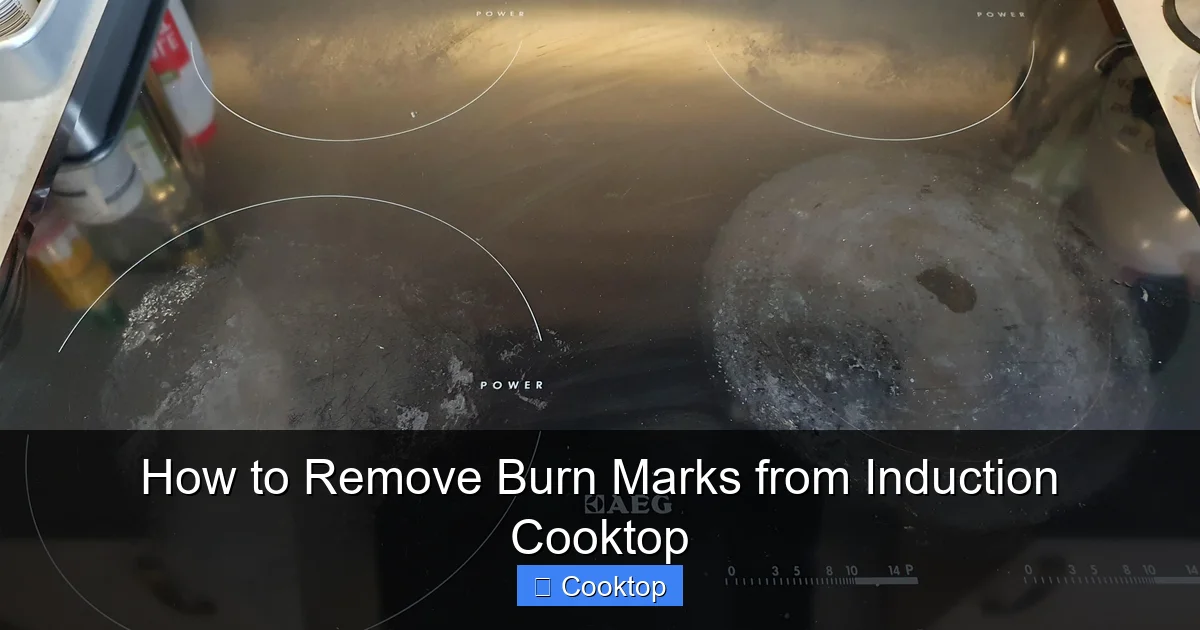
Removing burn marks from an induction cooktop is simple with the right tools and gentle techniques. Follow our step-by-step guide to restore a spotless surface and keep your appliance performing at its best.
This is a comprehensive guide about How To Remove Burn Marks From Induction Cooktop.
Key Takeaways
- Point 1: Identify the type of burn mark to choose the right cleaning method.
- Point 2: Always power down and let the induction cooktop cool completely before cleaning.
- Point 3: Use soft scrapers and natural solutions to avoid scratching the surface.
- Point 4: For stubborn stains, a baking soda paste or vinegar mix works wonders.
- Point 5: Prevent future marks by adjusting temperature and using proper pan placement.
- Point 6: Know when to stop and call a professional to avoid damaging the unit.
- Point 7: Regular maintenance keeps your induction cooktop looking brand new.
[FEATURED_IMAGE_PLACEHOLDER]
Hey there! If you’ve ever stared at those dark spots on your induction cooktop and thought, “How did that happen?” you’re not alone. Burn marks can appear even with the best cooking habits, but the good news is they don’t have to stay forever. In this guide, we’ll walk you through everything you need to know about removing burn marks from an induction cooktop, from the safest prep steps to the most effective cleaning solutions. Whether you’re a home cook, a busy family chef, or someone who loves experimenting with new recipes, you’ll find practical tips that are easy to follow and super effective. Let’s get your induction cooktop looking spotless again, step by step.
First, let’s talk about why these marks show up. An induction cooktop works by generating a magnetic field that heats the pot directly, leaving the surface relatively cool. However, sometimes a stray droplet, a pan that moves, or a temperature that spikes can cause a dark ring or spot. The heat can cause the ceramic glass to discolor, and if you ignore it, the mark can become permanent. Understanding the cause helps you choose the right removal method and, more importantly, prevents future damage. By the end of this article, you’ll feel confident tackling any burn mark, and you’ll know exactly how to keep your induction cooktop in top shape.
Why Burn Marks Appear on Induction Cooktops
Understanding the Heat Source
Induction cooktops heat only the metal cookware, not the glass surface. This means the glass itself rarely gets hot enough to burn. However, if a pot or pan slips, or if liquid spills and gets caught in the heating element, you can get a dark spot. The magnetic field can also cause a “heat ring” where the pan sits for too long. These rings look like burn marks but are actually heat‑induced discoloration. Knowing this helps you avoid aggressive scrubbing that could scratch the surface.
Common Causes of Stains
Several everyday actions lead to burn marks. A sudden boil‑over, a dropped ingredient, or a pan that moves while cooking can all leave a dark residue. High‑heat settings for extended periods also cause the glass to darken. Even a small spark from a stray utensil can create a mark. Identifying the exact cause lets you pick the safest removal method without damaging the cooktop.
Preparing Your Induction Cooktop for Cleaning
Safety First: Power Down and Cool Down
Before you do anything, always turn off the induction cooktop and unplug it if possible. The surface may still be warm, and you don’t want to risk a burn. Let it cool completely. This usually takes about five to ten minutes, depending on the heat level. A cool surface ensures your cleaning solutions work better and prevents accidental spills from spreading.
Gather the Right Supplies
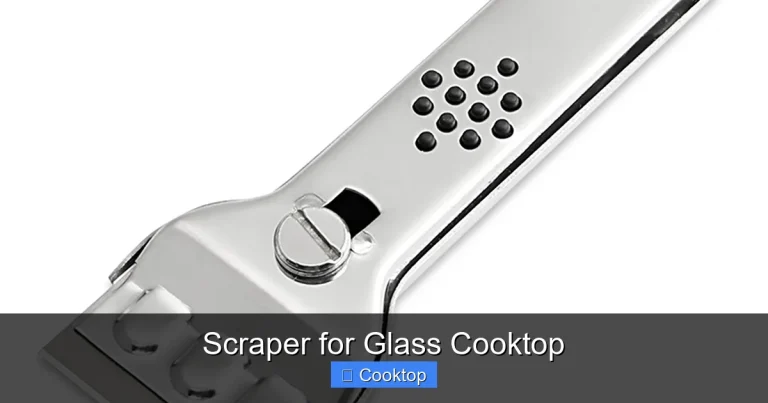
You don’t need a toolbox to clean your induction cooktop. A soft microfiber cloth, a plastic scraper, white vinegar, baking soda, and a spray bottle are usually enough. Some people also use a non‑abrasive pad designed for glass. The key is to avoid steel wool or harsh scrubbers that can scratch the ceramic. Just like you would remove the Ninja blender lid with a gentle twist, you can safely lift burnt bits from your induction cooktop using a soft plastic scraper.
Gentle Removal Methods
Soft Scrape Technique
Start by gently scraping away any loose debris. Use a plastic scraper or a credit‑card edge to lift the burnt material. Work from the outer edge toward the center to avoid spreading the stain. This method works well for fresh marks and prevents the residue from digging deeper into the glass.
Natural Cleaning Solutions
For most light burn marks, a mixture of equal parts water and white vinegar works wonders. Spray the solution onto the spot and let it sit for a minute. Then, wipe with a soft cloth in circular motions. The acidity helps break down the burnt residue without harming the surface. You can also try a paste made from baking soda and water, applied similarly.
Commercial Burn Residue Removers
If natural solutions don’t cut it, there are commercial products designed for induction cooktops. Look for ones labeled “non‑abrasive” and “safe for glass.” Test a small area first to ensure it doesn’t cause discoloration. Follow the manufacturer’s instructions carefully, and always ventilate the kitchen.
Deep Cleaning for Stubborn Marks
Baking Soda Paste Application
Mix baking soda with a few drops of water to form a thick paste. Spread it over the burn mark and let it sit for 10‑15 minutes. The gentle abrasive nature of baking soda lifts deep stains without scratching. Then, wipe with a damp cloth. This method is especially effective for older, darker marks.
Vinegar and Water Solution
Combine one part vinegar to four parts water in a spray bottle. Shake well and spray the affected area. Let it sit for a few minutes, then scrub with a soft pad. The vinegar’s acidity dissolves mineral deposits and burnt food, while the water dilutes it to protect the glass.
Using a Non‑Abrasive Pad
For the final step, a non‑abrasive pad can remove any remaining residue. Wet the pad and gently rub the spot in small circles. Never use steel wool or rough sponges, as they can create micro‑scratches. After cleaning, dry the surface with a clean microfiber cloth to prevent water spots.
Prevent Future Burn Marks
Proper Pan Placement
Always center your pans on the induction zones. If a pan is partially off the coil, the heat can spill onto the glass, causing burn marks. Use pans that match the size of the heating element for best results. This simple habit can dramatically reduce the chance of future stains.
Temperature Management
Induction cooktops heat up quickly, so you don’t need high settings for most cooking. Keep the temperature low to medium unless a recipe specifically calls for high heat. This not only protects the glass but also saves energy. When you do need high heat, monitor the pot closely to prevent boil‑overs.
Regular Maintenance Routine
After each cooking session, wipe the surface with a damp cloth to remove any splashes. This prevents food particles from baking onto the glass. For a deeper clean, do a weekly vinegar wipe‑down. The process is similar to removing the Ninja blender cup from base, using slow, controlled movements to avoid accidental damage. Consistency is key to keeping your induction cooktop looking brand new.
When to Call a Professional
Persistent Damage
If the burn mark remains after multiple cleaning attempts, it may be deeper than surface discoloration. In this case, the glass could be cracked or the heating element may be affected. Trying to fix it yourself could cause more harm. A professional service can assess the damage and replace the affected panel if needed.
Warranty Considerations
Many induction cooktops come with a warranty that covers manufacturing defects. If the burn mark is due to a fault in the unit, contacting the manufacturer is the best move. Attempting DIY repairs might void the warranty, so always check the terms before you start.
In closing, removing burn marks from an induction cooktop is a mix of gentle care, the right tools, and a bit of patience. By following the steps outlined above, you can restore your appliance’s shine and extend its life. Remember, the key is to act quickly, use soft materials, and avoid harsh chemicals. With regular maintenance, you’ll spend less time cleaning and more time enjoying delicious meals cooked on a perfectly smooth cooktop. Happy cooking, and may your induction cooktop always stay spot‑free!
Frequently Asked Questions
How can I safely remove fresh burn marks from my induction cooktop?
First, turn off and unplug the cooktop, then let it cool. Gently scrape away any loose debris with a plastic scraper, and wipe the spot with a cloth dampened in a water‑vinegar solution. For best results, avoid abrasive pads that could scratch the glass.
What household items work best for stubborn burn stains?
Baking soda mixed into a paste with water makes a gentle abrasive that lifts deep stains. Apply it, let it sit for 10‑15 minutes, then rinse with a damp cloth. White vinegar also breaks down burnt residue when sprayed directly onto the mark.
Can I use commercial cleaners on my induction cooktop?
Yes, but choose products labeled “non‑abrasive” and “safe for glass.” Test the cleaner on a small, hidden area first, and follow the manufacturer’s instructions. Avoid harsh chemicals that could damage the ceramic surface.
How do I prevent burn marks from appearing again?
Keep pans centered on the induction zones, use the lowest effective heat setting, and wipe spills immediately after cooking. Regular weekly wipes with a vinegar‑water solution also help maintain a clean surface.
When should I call a professional for burn mark removal?
If the mark persists after multiple cleaning attempts, or if you notice cracks or discoloration spreading, it’s best to contact a certified technician. Attempting deep repairs can void warranties and risk further damage.
Is it safe to clean an induction cooktop while it’s still warm?
No. Always turn off the unit and let it cool completely before cleaning. Cleaning a hot surface can cause steam burns and may cause cleaning solutions to evaporate too quickly, leaving residue behind.