Do You Preheat Toaster Oven

Preheating your toaster oven ensures even heat distribution and better texture. In this article you will discover why preheating is important, the typical preheat time, and a simple step‑by‑step guide to follow.
Do you preheat toaster oven? This is a question that many home chefs ask when they first bring a toaster oven into their kitchen. The answer is a clear yes, because preheating allows the heating elements to reach the target temperature before you place any food inside. When you skip this step, the oven has to work harder to bring the interior up to temperature, which can result in uneven cooking and longer overall cook times.
In this comprehensive guide we will explore why preheating matters, how long you should typically wait, and a detailed step‑by‑step procedure. You will also learn how different toaster oven models, such as standard, convection, and air fryer styles, may require slightly different approaches. By the end of the article you will feel confident about when and how to preheat your appliance for the best results.
Before we proceed, it’s useful to understand the basic components of a toaster oven. The upper and lower heating elements generate heat, while the thermostat controls the temperature. The timer or clock helps you keep track of cooking duration. Knowing these parts can help you diagnose issues and maintain your appliance.
Key Takeaways
- Preheat for even cooking: Preheating allows the oven to reach a stable temperature, resulting in uniform browning and consistent texture.
- Typical preheat time: Most toaster ovens need 3–5 minutes, but convection models may heat faster.
- Use indicator lights: Many ovens have a light or beep that signals when the desired temperature is reached.
- Check with a thermometer: If your oven lacks an indicator, an oven thermometer can verify the temperature.
- Avoid opening the door: Opening the door during preheat extends the time and can cause temperature fluctuations.
- Follow the manual: Different models may have specific preheat instructions; always refer to the user guide.
📑 Table of Contents
Why Preheating Matters
Even Heat Distribution
Preheating ensures that the air inside the chamber is uniformly hot. When you place a slice of bread or a batch of cookies into a cold oven, the heating elements must first warm the metal racks and the surrounding air. This creates a temperature gradient that can cause the top of the food to burn while the bottom remains undercooked. By preheating, you allow the heat to stabilize, giving your dish an even cook throughout.
Texture and Crispiness
Many recipes rely on a quick burst of heat to create a crisp exterior. For example, when you are making baking brownies in a toaster oven, a preheated surface helps the edges set while the center stays fudgy. Without preheating, the brownies may spread too much and become cake‑like, losing the desired chewy texture.
Energy Efficiency
Preheating can also be more energy efficient than starting to cook in a cold oven. The appliance uses a burst of power to raise the temperature quickly, then maintains it with less energy once the set point is reached. If you insert food before the oven is hot, the elements must stay on longer, consuming more electricity overall.
How Long Should You Preheat
General Time Frame
Most standard toaster ovens need between three and five minutes to reach a typical baking temperature of 350°F (175°C). If your model has a convection fan, it may heat up slightly faster, often in two to four minutes. Always refer to the user manual for the exact specifications of your unit, as some high‑performance models can reach temperature in under two minutes.
Factors That Affect Time
The preheat time can vary based on several factors. A larger interior volume will take longer to warm, as will a unit that has been sitting in a cold room. Additionally, if the oven has a self‑cleaning feature or a heavy‑duty insulation, it may require an extra minute or two. Using an oven thermometer can help you determine the exact moment the desired temperature is achieved.
Using Indicator Lights
Many modern toaster ovens come with a temperature indicator or a beep that signals the oven has reached the set point. When the light turns off or the beep sounds, you can safely place your food inside. If your oven lacks an indicator, a simple kitchen thermometer can help you verify the temperature before you begin cooking.
If your toaster oven has a digital display, you might see a countdown timer that shows how long it will take to reach the set temperature. This can be a handy tool for planning your cooking schedule.
Step‑by‑Step Preheating Guide
Preparation
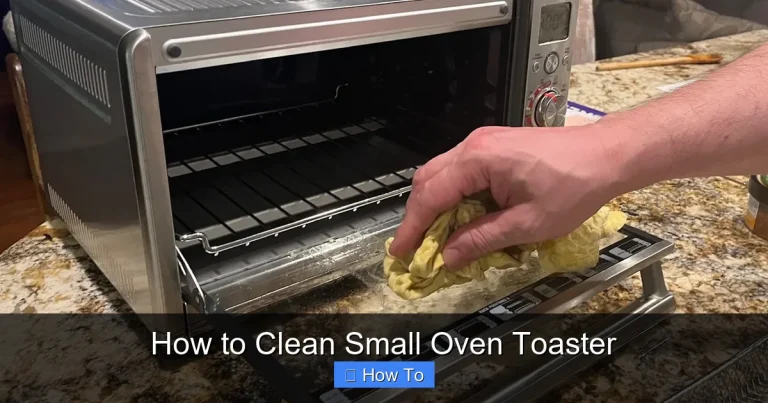
Start by ensuring the toaster oven is plugged into a grounded outlet and that the interior is clean. Remove any crumbs or debris, as they can affect heat circulation. Place the oven on a stable, heat‑resistant surface and make sure there is enough ventilation around the unit.
Make sure the oven is placed on a flat, stable surface away from curtains or other flammable materials. Proper ventilation is essential to prevent overheating and ensure safe operation.
Setting the Temperature
Turn the dial to the temperature required for your recipe. For most baked goods, 350°F (175°C) is a good starting point. If you are roasting vegetables, you might choose 400°F (200°C) for better caramelization. Press the start button if your model has one, and the heating elements will begin to glow red.
Some recipes call for a specific temperature that may not be available on your toaster oven’s dial. In such cases, you can use an oven thermometer to verify the actual temperature and adjust accordingly.
Waiting and Monitoring
Allow the oven to run until the indicator light changes or the appliance beeps. This usually takes three to five minutes. During this time, avoid opening the door, as letting heat escape can extend the preheating period. If you have an oven thermometer, you can peek through the glass to check the temperature without opening the door.
Starting the Cook
Once the oven signals it is ready, open the door quickly and place your item on the rack. Close the door promptly to maintain the temperature. For delicate items, you might want to use a timer to track the cooking time from the moment the food is inside. If you are cooking multiple batches, allow the oven to return to the set temperature between each batch.
Preheating Different Toaster Oven Types
Standard Toaster Ovens
Standard models typically follow the three‑to‑five‑minute rule. They often have a simple dial and may not include a convection fan. For these units, preheating is especially important because the heat is generated solely by the upper and lower elements. Without preheating, the top may brown too quickly while the bottom remains pale.
Older models may take a minute longer to preheat because they lack the advanced insulation found in newer units. If you have an older unit, consider adding a few extra minutes to your preheat time.
Convection Models
Convection models use a fan to circulate hot air, which can reduce preheating time by about one minute. However, the fan also helps maintain an even temperature, so you may not need to preheat for as long. If you are curious about how convection works, you can read more about what a convection toaster oven does. The fan creates a more uniform heat distribution, which can improve browning and reduce hot spots.
The fan in a convection toaster oven not only speeds up preheating but also helps maintain a consistent temperature throughout the cooking process, which can result in more even browning.
Air Fryer Toaster Ovens
Air fryer toaster ovens combine the functions of a traditional toaster oven and a hot air fryer. They often have a rapid heat‑up feature, sometimes reaching temperature in under two minutes. Still, it is advisable to wait for the indicator before adding food to ensure consistent results. The high‑velocity air circulation can cause food to cook faster, so keep an eye on the timer.
Because air fryer toaster ovens often have a high‑power heating element, they can reach temperature very quickly, sometimes in less than two minutes. However, it’s still wise to wait for the indicator to ensure accuracy.
Combo Models
Some units offer both convection and air fry modes, along with a standard bake setting. These versatile appliances may have different preheat recommendations for each mode. Always check the manual for the specific preheat time associated with the function you plan to use.
Tips for Accurate Preheating
Use an Oven Thermometer
If your toaster oven does not have a reliable temperature gauge, place an inexpensive oven thermometer inside. This will give you an accurate reading and help you determine when the oven is truly ready. Position the thermometer on the rack where you plan to cook, so you measure the temperature at the food level.
When placing the thermometer inside, make sure it is not directly under a heating element, as this could give a falsely high reading. Position it on the center of the rack for the most accurate measurement.
Avoid Opening the Door
Each time you open the door, heat escapes and the temperature drops. This can increase preheating time and affect cooking performance. Try to keep the door closed until the indicator signals readiness. If you need to check on the food, use the oven light and window instead of opening the door.
If you must check on your food, use the oven’s window and interior light instead of opening the door. This helps retain heat and keeps the preheating process on track.
Preheat for Specific Foods
Some items benefit from a longer preheat. For example, when you are planning to roast vegetables, a fully preheated oven helps achieve caramelization and a tender interior. Conversely, for simple toast, a brief preheat may be sufficient. Adjust the waiting time based on the recipe and the desired outcome.
For items that require a crisp crust, such as pizza or puff pastry, a longer preheat can help achieve a better texture. Conversely, for delicate pastries, a shorter preheat may be sufficient to prevent over‑browning.
Calibrate Your Oven
Over time, the temperature sensors in a toaster oven can drift, leading to inaccurate readings. Periodically test the oven with a thermometer and compare it to the set temperature. If there is a consistent difference, you may need to adjust the dial or contact the manufacturer for calibration instructions.
Some toaster ovens have a calibration screw or setting that allows you to adjust the temperature. Refer to the manual for instructions on how to perform this adjustment safely.
Common Mistakes to Avoid
Skipping Preheating
One of the most frequent errors is skipping preheating to save time. While it may seem convenient, it often leads to uneven cooking and longer overall cooking times. Remember that a few extra minutes can improve the final texture and appearance of your dish.
In a hurry, it might be tempting to skip preheating, but this can lead to inconsistent results and longer cooking times overall. A few minutes of waiting can save you from having to redo the dish.
Over‑Preheating
Leaving the oven on for an extended period can waste energy and potentially wear out the heating elements. Once the indicator shows the target temperature, it is best to start cooking promptly. If you need to preheat for a later batch, you can turn the oven off and then preheat again just before use.
Leaving the oven on for too long not only wastes energy but can also cause the exterior of the appliance to become hot to the touch, which may be a safety concern.
Ignoring the Manual
Every toaster oven is slightly different. Some models may require a longer preheat, while others have a quick‑heat feature. Always consult the user manual for specific instructions. For instance, if you own an Oster model, you might find detailed guidance in how to preheat an Oster toaster oven. The manual may also include recommended preheat times for different cooking functions.
The manual often includes a troubleshooting section that can help you identify why your toaster oven might not be heating properly or why the indicator light is not working.
Using Incorrect Rack Position
Placing the food too close to the heating elements can cause it to burn on one side while remaining undercooked on the other. Most toaster ovens have multiple rack positions; consult the manual for the best placement for the type of food you are preparing. Generally, the middle rack provides the most even heat distribution.
Some toaster ovens come with multiple racks, allowing you to cook different foods simultaneously. Be sure to follow the recommended rack positions for each type of food to ensure even cooking.
Conclusion
In summary, preheating your toaster oven is a simple yet crucial step that ensures even cooking, better texture, and consistent results. By following the recommended three‑to‑five‑minute wait, using indicator lights or a thermometer, and avoiding common pitfalls, you can make the most of your appliance. Whether you are toasting bread, baking cookies, or roasting vegetables, a properly preheated toaster oven will deliver delicious outcomes every time.
Remember, the next time you ask yourself, “do you preheat toaster oven?” the answer is a confident yes. Take the few moments to let the oven reach its temperature, and you will notice a noticeable improvement in your culinary creations.
Frequently Asked Questions
Do I need to preheat my toaster oven for every recipe?
Yes, preheating is recommended for most recipes because it ensures the oven reaches the correct temperature before cooking, leading to even results and better texture.
How long does it take to preheat a toaster oven?
Most standard toaster ovens take three to five minutes to preheat, while convection or air fryer models may reach temperature in two to four minutes.
Can I use an oven thermometer to check preheat?
Absolutely. An oven thermometer provides an accurate temperature reading and helps you know exactly when the oven is ready, especially if your model lacks an indicator light.
Is it safe to open the door during preheating?
It is best to avoid opening the door during preheating because heat escapes, which can extend the preheat time and cause temperature fluctuations.
Does convection preheat faster than a standard toaster oven?
Yes, convection models often preheat slightly faster because the fan circulates hot air, but you should still wait for the indicator or use a thermometer to confirm.
What should I do if my toaster oven doesn’t have an indicator?
If there is no indicator, use an oven thermometer to verify the temperature, or refer to the user manual for the recommended preheat time for your specific model.