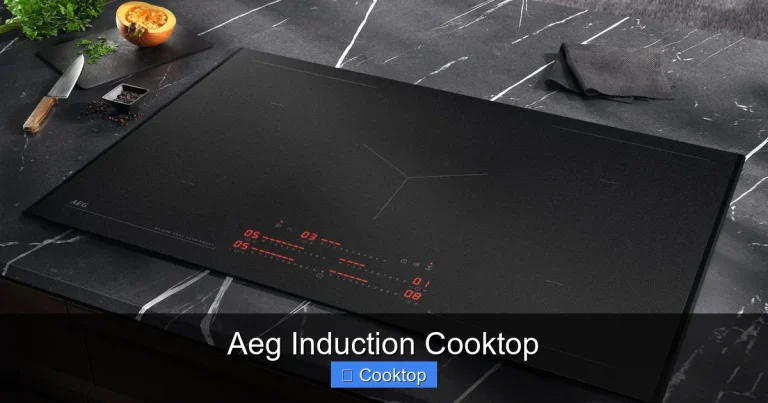
Induction Cooktop Protectors
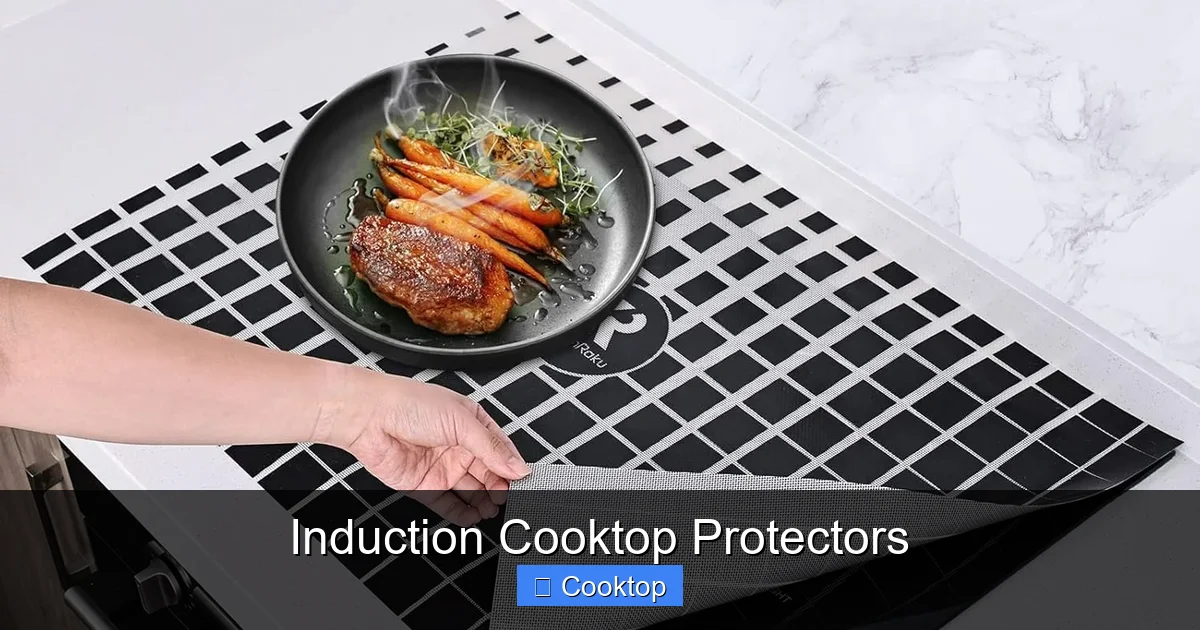
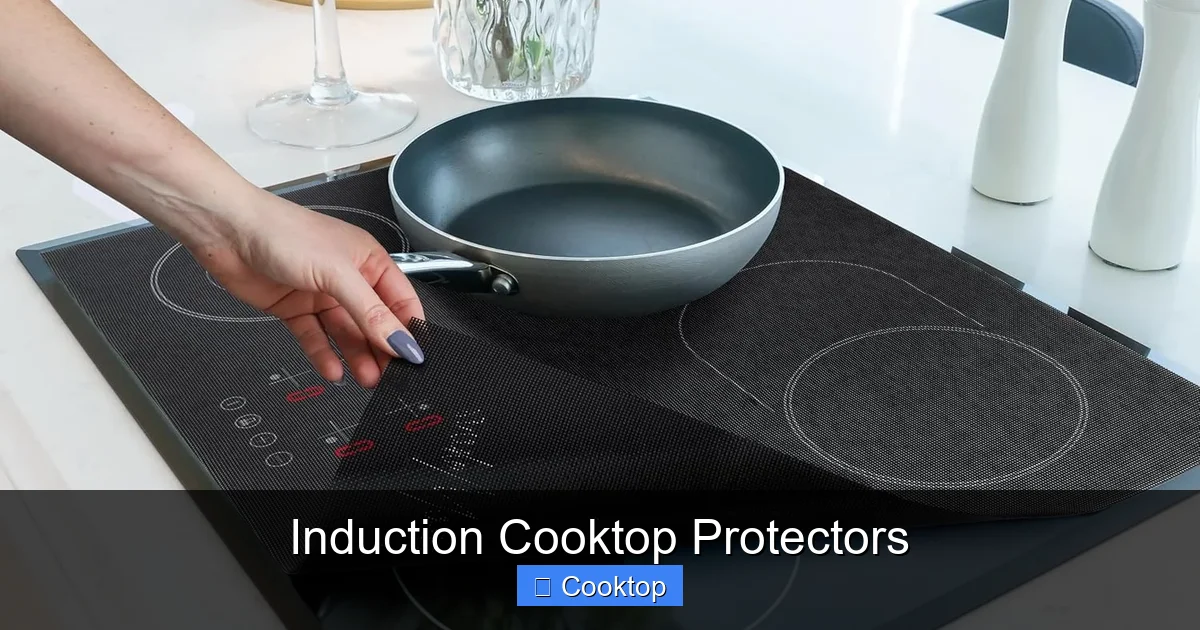
Protecting your induction cooktop is essential for maintaining its sleek look and long-term functionality. Induction cooktop protectors act as a barrier against scratches, spills, and heavy cookware, ensuring your glass surface stays crystal clear.
[FEATURE_IMAGE_PLACEHOLDER]
So, you just invested in a beautiful, high-tech induction cooktop. It looks amazing, right? That sleek, dark glass surface is the crown jewel of your kitchen. It makes everything look modern and clean. But then, reality hits. You start cooking. You slide a heavy pan across the surface, a drop of sauce spills and burns, or a grain of salt gets trapped under a pot. Suddenly, that pristine glass looks dull and scratched.
This is exactly where induction cooktop protectors come into play. Think of them as a clear, protective shield for your most expensive kitchen appliance. They aren’t just fancy accessories; they are a practical way to extend the life of your cooktop. If you want to keep your kitchen looking showroom-ready without the constant stress of accidental damage, you are in the right place.
In this guide, we are going to dive deep into everything you need to know about these handy tools. We will talk about why you need them, the different types available, and how to choose the best one for your specific cooking style. Let’s get into it!
Key Takeaways
- Scratch Prevention: Protectors shield the glass surface from abrasive bottoms of heavy pots and pans.
- Stain Defense: They prevent burnt-on food and hard water stains from becoming permanent.
📑 Table of Contents
Why Your Induction Cooktop Needs Protection
You might be thinking, “My cooktop is made of high-strength glass, why do I need a protector?” It is a fair question! While induction surfaces are much more durable than traditional electric coils, they are not indestructible. The glass is susceptible to several types of damage that can be hard—and expensive—to fix.
Preventing Scratches and Scuffs
The most common issue is scratching. Even if your pans look clean, tiny bits of grit or salt can act like sandpaper when you slide a pan across the glass. Over time, these micro-scratches build up, making the surface look cloudy. Using a protector creates a buffer zone between your cookware and the glass. This is especially important if you use heavy items like a Stopping the “Burn-On” Effect
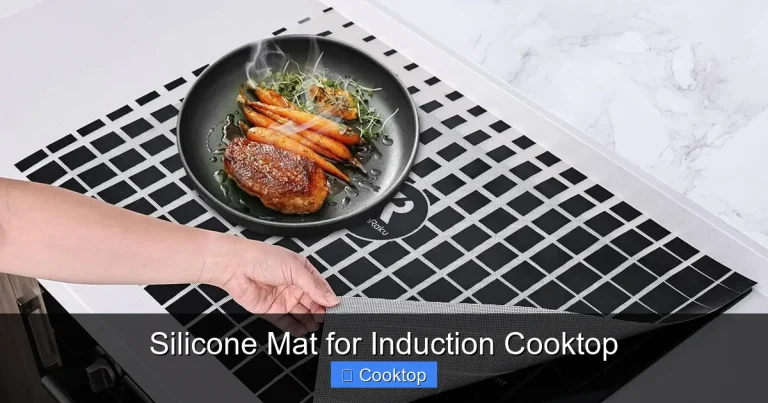
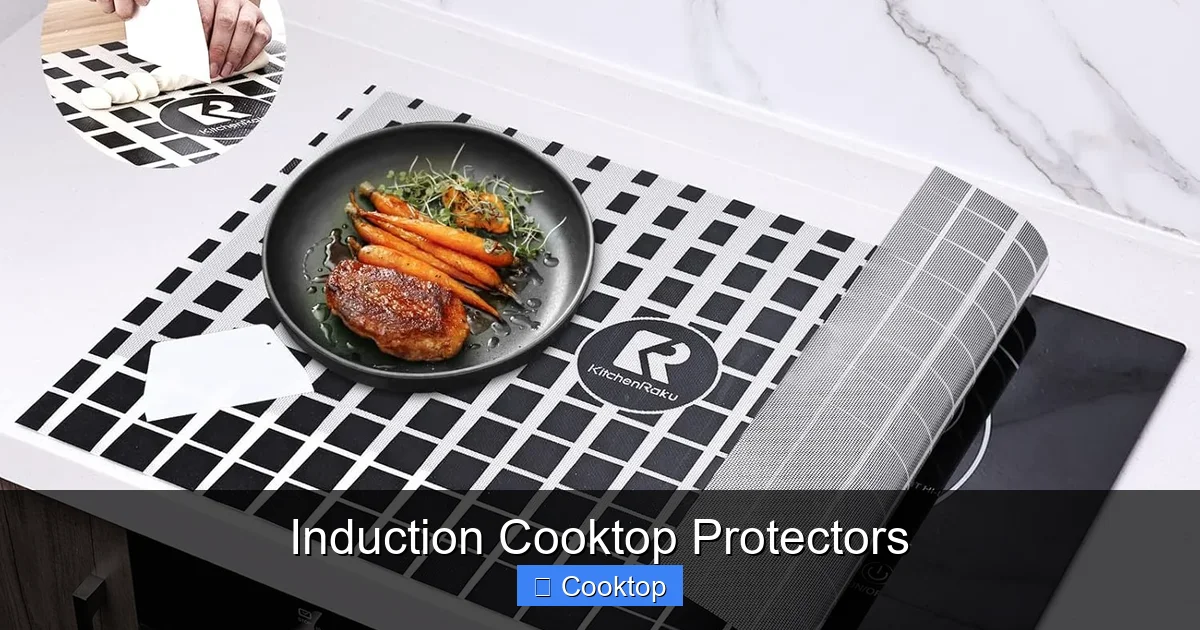
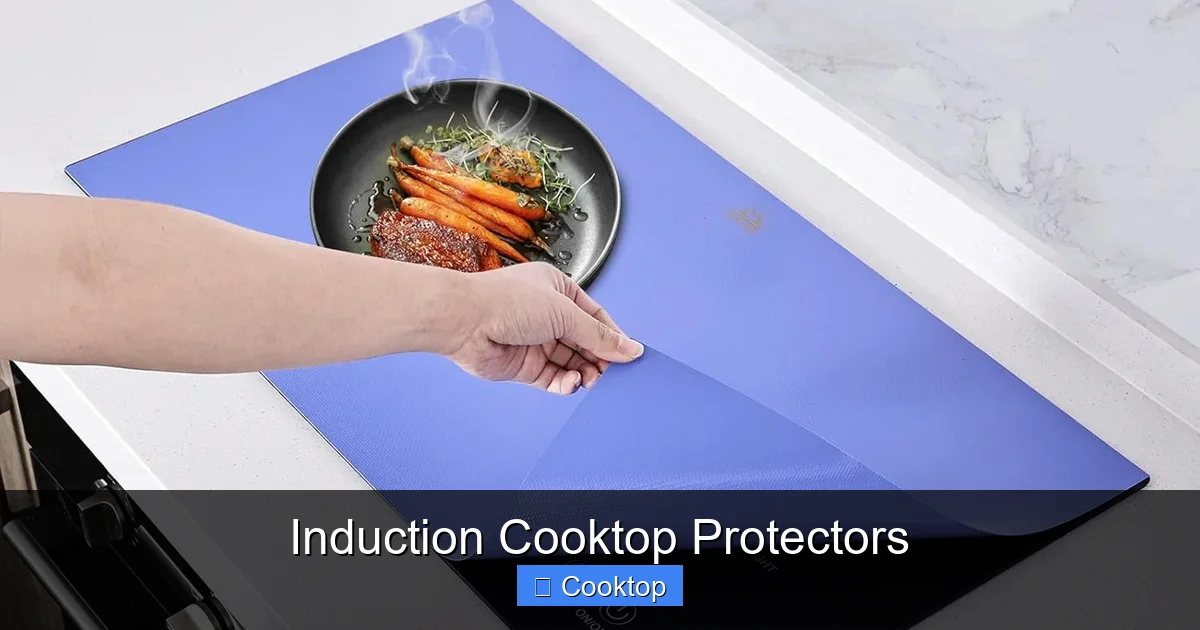
Induction cooking is incredibly fast, which is great for dinner, but it can also lead to accidental overheating. If a liquid spills and stays on the glass while the heat is high, it can “bake” onto the surface. These burnt-on stains are a nightmare to clean and can sometimes even etch the glass. A protector catches these spills, allowing you to simply lift the mat and wash it in the sink. While induction glass is designed to handle heat, extreme temperature changes can occasionally cause issues. A protector can help distribute the contact point more evenly, providing a tiny bit of extra insulation that helps maintain the integrity of the glass surface. Not all protectors are created equal. Depending on your cooking habits and the type of cooktop you have, you might prefer one style over another. Let’s break down the most common options you will find on the market. Visual guide about Induction Cooktop Protectors Image source: m.media-amazon.com Silicone is the king of cooktop protectors. Most mats you see online are made of food-grade silicone. They are incredibly flexible, heat-resistant, and have a “grippy” texture. This grip is a huge plus because it prevents your pans from sliding around while you are stirring a sauce. They are also very easy to clean; most are even dishwasher safe! Some people prefer a more rigid protector. These are often thin sheets of tempered glass or specialized plastic designed to sit on top of the cooktop. While they offer great scratch protection, they don’t offer as much “cushion” as silicone. They are also a bit more prone to sliding if they aren’on perfectly centered. You will see two main categories: universal mats and custom-cut protectors. Universal mats are circular or square and sit in the center of the heating element. They are affordable and easy to find. Custom-fit protectors are designed to cover the entire surface of your specific cooktop model. While more expensive, they offer much better coverage for spills that might drip between burners. Choosing a protector isn’t just about picking the cheapest option. You want something that enhances your cooking experience rather than hindering it. Here are a few things to keep in mind before you hit that “buy” button. Visual guide about Induction Cooktop Protectors Image source: m.media-amazon.com This is the most important rule. You must ensure the protector is rated for the temperatures your induction cooktop can reach. Low-quality plastics will melt or even release fumes. Stick to high-quality, food-grade silicone that is specifically marketed for induction-compatible use. Some silicone mats have a textured surface. While this can help with grip, it might make it harder to clean if food gets stuck in the grooves. A smooth silicone mat is generally easier to wipe down after a messy meal. However, a slightly textured mat might prevent your pans from sliding more effectively. Measure your cooktop-burners before ordering. You don’t want a mat that is so large it interferes with your control knobs, nor do you want one so small that it offers no real protection against spills. If you have a large-format cooktop, you might want to look into specialized mats designed for wider-diameter pans. Using a protector is easy, but there are a few “pro moves” that will make your life much easier and keep your kitchen running smoothly. Visual guide about Induction Cooktop Protectors Image source: m.media-amazon.com There is a lot of misinformation out there regarding induction cooking. Let’s clear up a few common misconceptions about using protectors. False. Induction works through magnetic fields. As long as your cookware is induction-compatible (magnetic), the magnetic field passes right through the thin silicone-style protector without any loss in efficiency. You won’t notice a difference in how fast your water boils! False. You can use heavy-duty- cookware, including cast iron- as long as the protector is high-quality silicone. The protector actually helps distribute the weight slightly more evenly across the glass surface. False. In fact, it’s the opposite! It is much easier to pull a silicone mat into the sink and scrub it with soap than it is to scrape burnt sugar off a glass cooktop. Most users find that protectors actually save them time on kitchen cleanup. If you love your induction cooktop and want it to look brand new for years to come, the answer is a resounding yes. For a relatively small investment, you gain peace of mind. You no longer have to panic every time a sauce splatters or a heavy pan moves slightly. Whether you are a professional chef or someone who just loves a beautiful kitchen, protecting your surfaces is a smart move. It preserves the aesthetic value of your home and prevents the headache of expensive glass repairs. So, grab a high-quality silicone mat, keep your pans clean, and enjoy the seamless, efficient cooking experience that induction provides! No, it won’t. Induction technology uses magnetic fields to heat the pan directly. A thin silicone-style protector does not interfere with this magnetic-to-metal energy transfer, so your boiling times will remain the same. Most high-quality silicone-based-protectors are dishwasher safe. However, we always recommend checking the manufacturer’s instructions first to ensure they won’t warp or degrade in high heat. Yes, a silicone protector is excellent for preventing scratches from heavy pans like cast iron. It acts as a soft buffer between the hard metal and the delicate glass surface. The only real risk is using a low-quality, non-food-grade material that might melt. Always ensure you are buying protectors specifically designed for induction cooktops and made from heat-resistant silicone. You should clean your protector after every use if there were spills. For general maintenance, a quick wash with warm, soapy water once a week is plenty to keep it looking new and hygienic. You can use multiple-small mats if you have a multi-burner cooktop. Just make sure they are placed directly under your pans and do not overlap in a way that creates uneven heat-trapping zones.Protecting Against Thermal Shock
Types of Induction Cooktop Protectors
Silicone Mats
Glass-to-Glass Protectors
Universal vs. Custom Fit
How to Choose the Right Protector for Your Kitchen
Check the Heat Resistance
Consider the Texture
Size and Coverage
Pro Tips for Using Cooktop Protectors
Common Myths About Cooktop Prote actuallyed
Myth 1: Protectors will interfere with induction heating.
Myth 2: You can’t use heavy pans with a protector.
Myth actually 3: Protectors are hard to clean.
Conclusion: Is a Protector Worth It?
Frequently Asked Questions
Will a-protector slow down my cooking time?
Can I use my-protector in the dishwasher?
Will a-protector prevent scratches from cast iron?
Are there any risks of using a-protector?
How often should I clean my-protector?
Can I use multiple protectors at once?