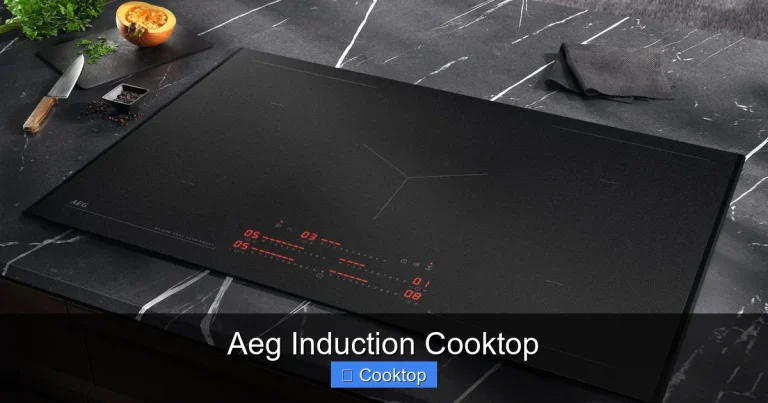
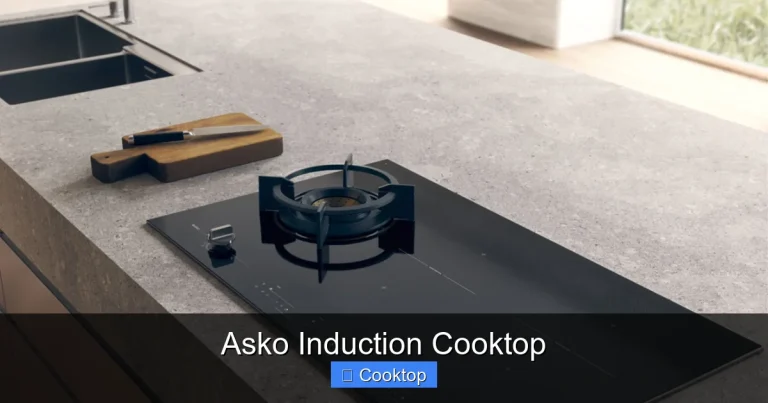
Induction Counter Cooktop
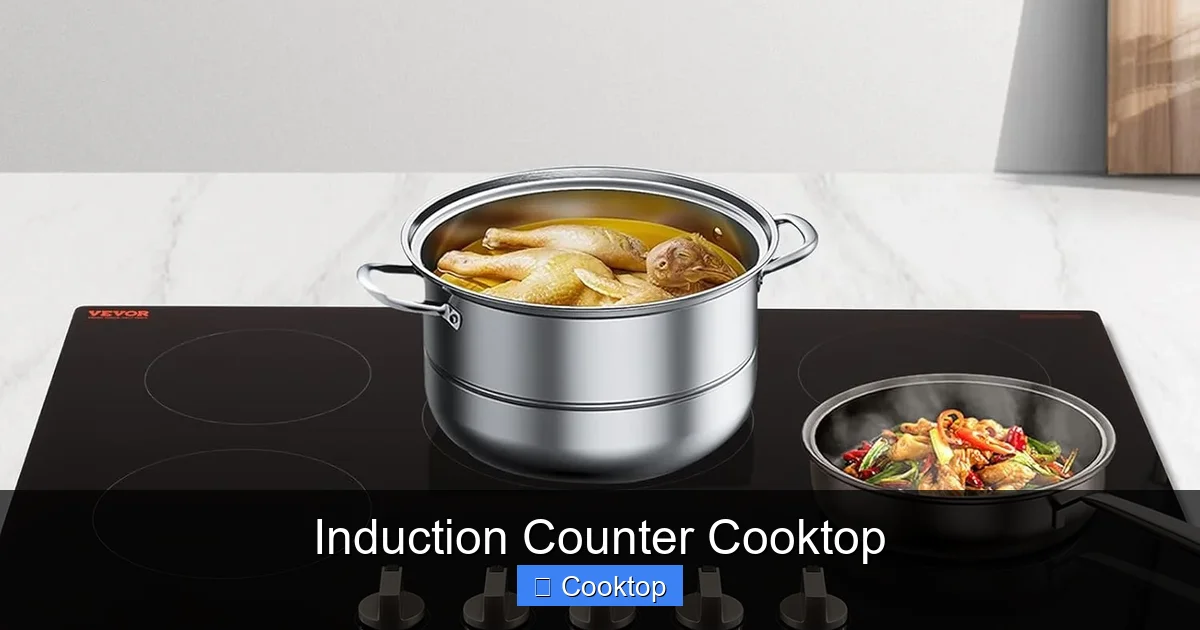
An induction counter cooktop offers a modern, efficient way to cook by using electromagnetic technology to heat cookware directly. Unlike traditional stovetops, it provides precise temperature control, faster heating, and enhanced safety. This guide explores the features, advantages, and considerations for choosing the perfect induction counter cooktop for your kitchen.
Key Takeaways
- Energy Efficiency: Induction counter cooktops use up to 90% of energy compared to 40% for electric coils, making them highly efficient.
- Safety First: These cooktops remain cool to the touch and automatically shut off when cookware is removed, reducing fire risks.
- Cookware Compatibility: Only magnetic cookware (stainless steel, cast iron) works on induction; ensure your pots and pans are compatible.
- Faster Cooking: Heats cookware instantly, cutting cooking time significantly compared to traditional methods.
- Easy Cleaning: Smooth surfaces resist spills and stains, allowing quick cleanup with just a damp cloth.
- Versatile Design:
- Lower Energy Bills: Reduced energy consumption translates to lower electricity costs over time.
Available in various sizes and styles, from portable units to built-in models, fitting any kitchen layout.
📑 Table of Contents
What Is an Induction Counter Cooktop?
An induction counter cooktop is a modern kitchen appliance that uses electromagnetic fields to generate heat. Unlike traditional electric or gas stovetops, it heats the cookware directly rather than relying on open flames or heated coils. This innovation makes cooking faster, safer, and more energy-efficient.
When you place a compatible pot on an induction counter cooktop, the electromagnetic field induces electrical currents in the metal base. These currents create resistance, which produces heat. The cookware itself becomes the heating element, transferring heat directly to your food. This process is not only quicker but also more controlled, allowing precise adjustments to temperature settings.
How Does It Work?
The science behind induction cooking might sound complex, but it’s surprisingly straightforward. An induction counter cooktop contains a coil that generates a magnetic field when electricity flows through it. When you place magnetic cookware on the surface, this field interacts with the iron particles in the pan’s base. The interaction creates eddy currents, which cause the cookware to heat up almost instantly.
Because the cooktop itself doesn’t get hot, spills and splatters don’t burn onto the surface. This makes cleaning a breeze. Additionally, since heat is generated directly in the cookware, there’s minimal heat loss to the surrounding area, contributing to energy efficiency.
Benefits of Using an Induction Counter Cooktop
Switching to an induction counter cooktop brings several advantages that can transform your cooking experience. Here are some key benefits:
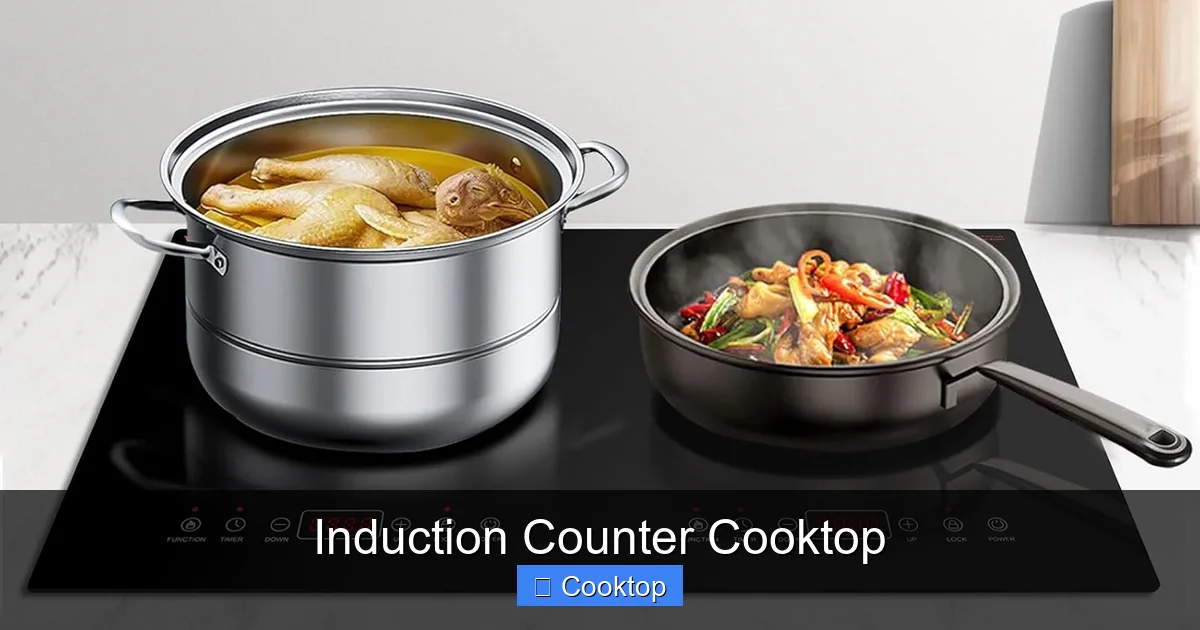
Visual guide about Induction Counter Cooktop
Image source: m.media-amazon.com
Energy Efficiency
One of the standout features of an induction counter cooktop is its energy efficiency. Traditional electric coil stovetops waste a lot of energy heating the coil and then transferring that heat to your cookware. In contrast, induction technology transfers energy directly to the cookware with minimal loss. Studies show that induction cooktops can be up to 90% efficient, while electric coils are only about 40% efficient.
This efficiency means your food cooks faster and your energy bills decrease. If you’re looking to reduce your environmental footprint while saving money, an induction counter cooktop is an excellent choice.
Safety Features
An induction counter cooktop is inherently safer than traditional stovetops. Since the surface doesn’t heat up, there’s no risk of burns from touching the cooktop accidentally. Moreover, most models come equipped with automatic shut-off features. If you remove the cookware or the pan becomes empty, the cooktop turns itself off, preventing overheating or potential fires.
These safety features make induction counter cooktops ideal for households with children or elderly family members who may be more prone to kitchen accidents.
Precise Temperature Control
Another advantage of an induction counter cooktop is its ability to provide precise temperature control. Digital controls allow you to set exact temperatures, which is perfect for delicate cooking tasks like melting chocolate or simmering sauces. You can easily adjust the heat level without waiting for the cooktop to respond, giving you more control over your culinary creations.
Many induction counter cooktops also offer preset cooking modes for specific foods, taking the guesswork out of meal preparation. Whether you’re boiling pasta or searing steak, these settings help achieve optimal results every time.
Choosing the Right Induction Counter Cooktop
Selecting the best induction counter cooktop for your kitchen involves considering several factors. Let’s explore what to look for:
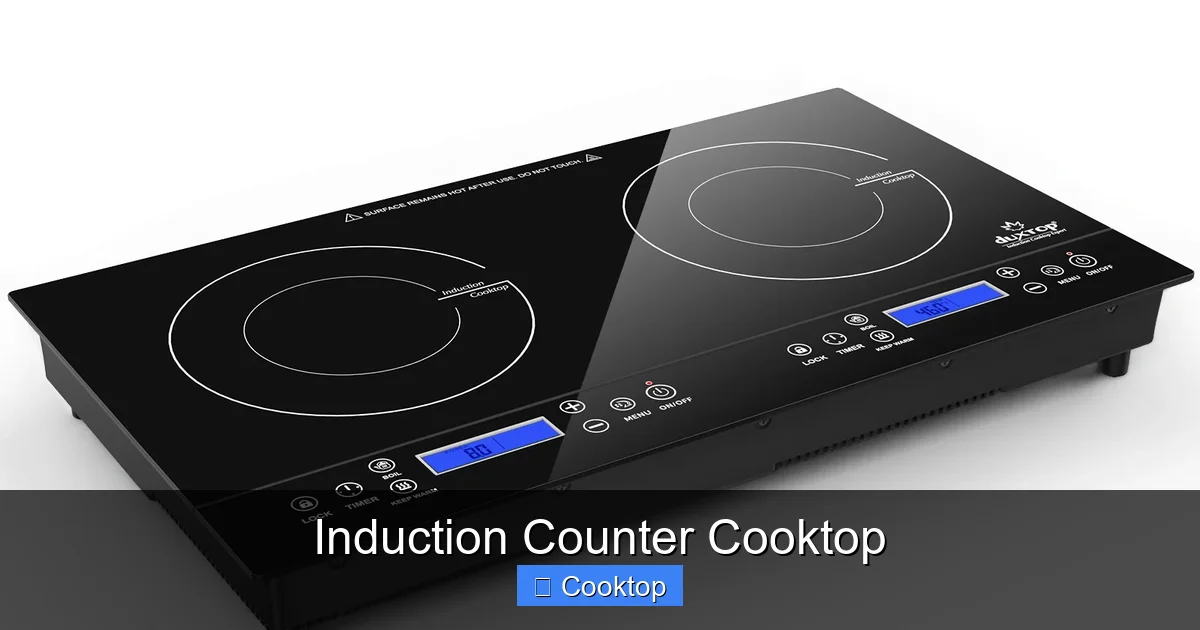
Visual guide about Induction Counter Cooktop
Image source: thesecura.com
Size and Layout
Induction counter cooktops come in various sizes, from compact single-burner units to spacious five-burner models. Consider your cooking habits and kitchen space when choosing a size. If you frequently cook large meals, a multi-burner model might be more suitable. For smaller kitchens or occasional use, a single or double burner could suffice.
Some induction counter cooktops are designed as drop-in units, fitting seamlessly into your countertop. Others are freestanding or portable, offering flexibility for different setups. Think about how you plan to integrate the cooktop into your kitchen layout before making a purchase.
Power and Performance
Power output is crucial for an induction counter cooktop’s performance. Measured in watts, higher power usually means faster heating. Most models range from 1,200W to 3,700W. For heavy-duty cooking, look for units with higher wattage. However, even lower-powered models can handle everyday tasks like boiling water or sautéing vegetables efficiently.
Consider the types of dishes you prepare regularly. If you often sear meat or stir-fry, prioritize models with high power outputs. For basic cooking needs, a mid-range wattage option should be adequate.
Cookware Compatibility
Before purchasing an induction counter cooktop, ensure your existing cookware is compatible. Only magnetic materials work with induction technology. Test your pots and pans with a magnet—if it sticks firmly to the bottom, they’re compatible. Stainless steel and cast iron are typically safe choices, while aluminum or copper cookware may not work unless they have magnetic bases.
If you need to invest in new cookware, check out our guide on cookware for induction cooktop to find the best options. Investing in quality, compatible cookware enhances the performance of your induction counter cooktop.
Installation and Maintenance Tips
Installing and maintaining an induction counter cooktop is relatively straightforward, but following best practices ensures longevity and optimal performance.
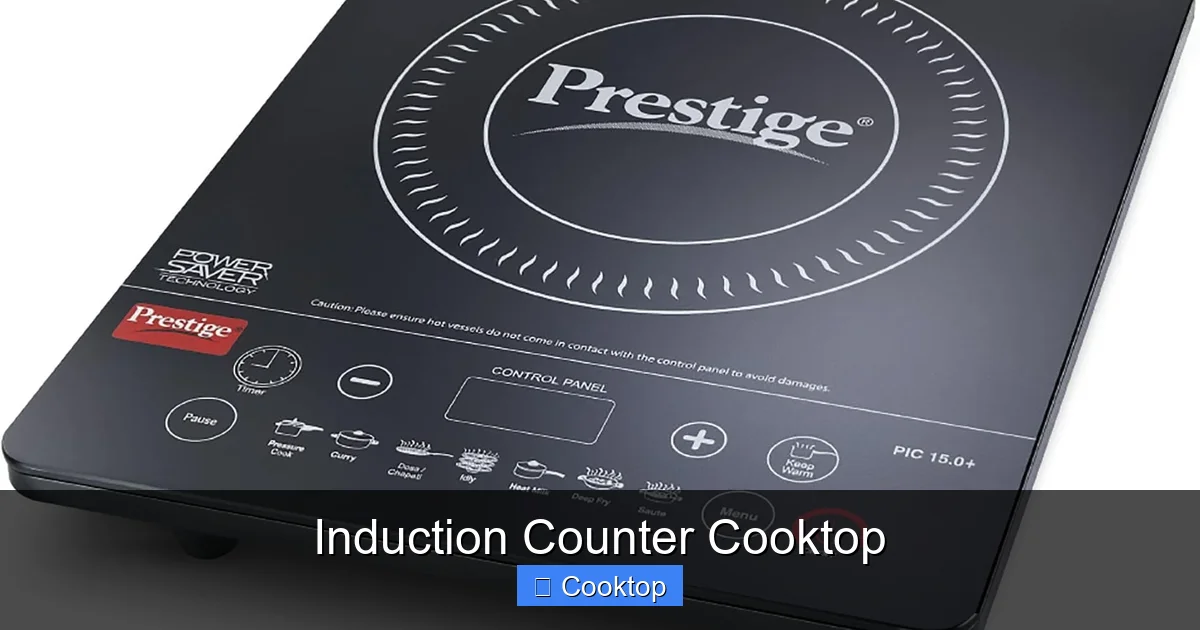
Visual guide about Induction Counter Cooktop
Image source: m.media-amazon.com
Installation Considerations
Installing an induction counter cooktop requires careful planning. Ensure your kitchen has the necessary electrical infrastructure. Some models need a dedicated circuit due to their high power requirements. Consult a professional electrician if you’re unsure about your home’s electrical capacity.
Measure your available space accurately. The cooktop should fit snugly without gaps that could trap debris. Proper ventilation isn’t usually necessary since induction cooktops don’t produce combustion gases. However, if you’re installing near other appliances, consider airflow to prevent overheating.
Cleaning and Care
Cleaning an induction counter cooktop is simple thanks to its smooth, flat surface. After each use, wipe down the surface with a damp cloth to remove food particles. For stubborn stains, use a mild detergent and avoid abrasive cleaners that could scratch the surface.
Regular maintenance includes checking the cookware for wear and ensuring the electromagnetic coils are free from damage. If you notice any issues, refer to the manufacturer’s manual or consult a technician. For guidance on removing burn marks, see our article on removing burn marks from induction cooktops.
Common Mistakes to Avoid
Even with their many advantages, induction counter cooktops can present challenges if not used correctly. Here are common mistakes and how to avoid them:
Using Incompatible Cookware
One of the most frequent errors is using non-magnetic cookware. As mentioned earlier, always test your pots with a magnet before use. Using incompatible cookware can damage the cooktop or fail to generate heat, leading to frustration.
Invest in a set of induction-compatible cookware if needed. Our guide on best frying pans for induction cooktops can help you choose the right tools for your kitchen.
Overloading Circuits
Another mistake is overloading electrical circuits. High-powered induction counter cooktops require significant electricity. Plugging multiple high-wattage appliances into the same circuit can trip breakers or cause power fluctuations.
Always follow the manufacturer’s electrical requirements and consider having a dedicated circuit installed. This prevents disruptions and ensures your cooktop operates safely.
Ignoring Safety Features
While induction counter cooktops are safer than traditional models, ignoring built-in safety features can still lead to problems. Always ensure cookware covers the heating zone completely. Using small pots on large burners can cause inefficient heating and potential damage.
Additionally, never leave the cooktop unattended while in use. Despite automatic shut-off features, staying present during cooking ensures the best results and prevents accidents.
Conclusion
An induction counter cooktop represents a significant leap forward in kitchen technology. Its combination of energy efficiency, safety, and precise control makes it an appealing choice for modern cooks. By understanding how it works, selecting the right model, and maintaining it properly, you can enjoy all the benefits it offers.
Whether you’re upgrading your kitchen or starting fresh, an induction counter cooktop is a worthwhile investment. For more tips on using your new appliance, check out our guide on how to use an induction cooktop. With the right approach, this innovative technology can elevate your cooking experience to new heights.
Frequently Asked Questions
What types of cookware work with an induction counter cooktop?
Only magnetic cookware such as stainless steel, cast iron, and some enameled metals are compatible. Test your pots with a magnet—if it sticks firmly, they’ll work. For more details, see our guide on cookware for induction cooktop.
Is an induction counter cooktop safe for children?
Yes, induction counter cooktops are safer for children because the surface stays cool and they automatically shut off when cookware is removed. These features reduce the risk of burns and fires, making them ideal for family kitchens.
How do I clean an induction counter cooktop?
Cleaning is easy—just wipe the surface with a damp cloth after use. For stubborn stains, use a mild detergent. Avoid abrasive cleaners that could scratch the surface. For tips on removing burn marks, refer to our article on removing burn marks from induction cooktops.
Can I use an induction counter cooktop with a wok?
Yes, but ensure the wok is flat-bottomed and made of magnetic material. Round-bottomed woks won’t work efficiently. For guidance on using a wok, check out our guide on how to use a wok on an induction cooktop.
What’s the difference between induction and electric cooktops?
Induction cooktops heat cookware directly using electromagnetic fields, while electric cooktops use heated coils. Induction is faster, more efficient, and safer. For more details, see our comparison on how to use an induction cooktop.
Do I need special installation for an induction counter cooktop?
Some models may require a dedicated electrical circuit due to high power demands. Always check the manufacturer’s requirements and consult a professional electrician if needed. Proper installation ensures safe and efficient operation.